 Malawi Freedom Network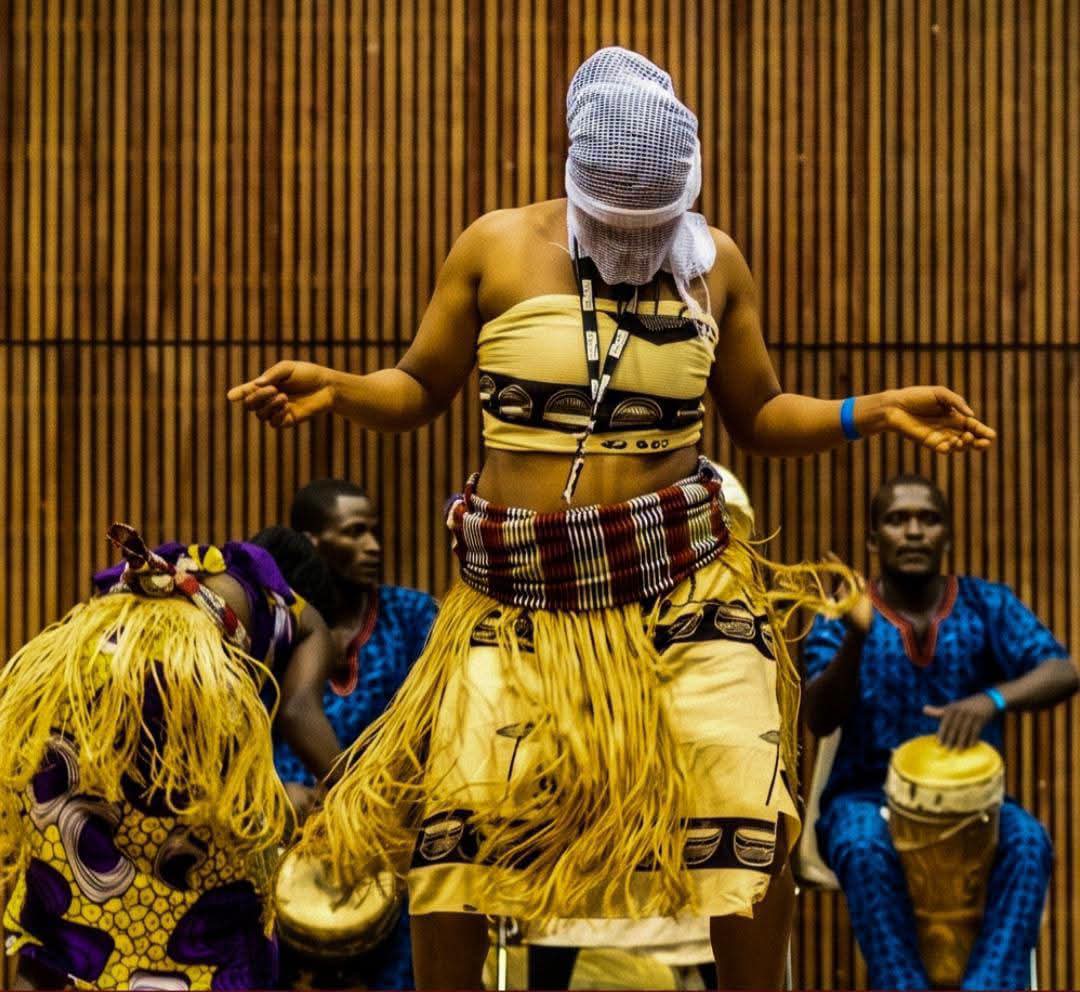
By MFN News Desk Team
Published by Malawi Freedom Network
2 October 2026 | 6:54 PM
Malawi’s cultural and creative industries are contributing about K28 billion annually to the country’s economy, highlighting the growing economic importance of arts, culture and creative enterprise.
The figure is contained in the 2026 Mapping Malawi’s Cultural Industries study led by University of Malawi academics Associate Professor Zindaba Chisiza and Professor Gowokani Chijere Chirwa.
According to the study, the sector’s contribution is equivalent to approximately 0.4 percent of Malawi’s Gross Domestic Product (GDP), demonstrating that cultural industries are not only a source of artistic expression but also an economic activity capable of generating income and employment.
The research was designed to examine the economic contribution of Malawi’s arts and cultural industries, identify barriers affecting their development and provide evidence that can inform policy and investment decisions.
Media arts lead income generation
The findings indicate significant differences in earnings across the various subsectors of Malawi’s cultural economy.
Media arts record the highest average monthly income, while fashion records the lowest, pointing to substantial disparities in earning opportunities within the sector.
The differences underline the need for stronger investment, market access, infrastructure and professional development across the various cultural subsectors rather than treating the creative economy as a single, uniform industry.
The original mapping exercise covered areas including visual arts and crafts, performing arts, design, media arts and cultural heritage.
Sector faces structural challenges
Despite its economic contribution, the study highlights challenges that continue to restrict the growth of Malawi’s cultural industries.
Among the concerns are inadequate infrastructure, inconsistent support and limited access to resources for people working in the creative sector.
The researchers have previously argued that stronger policy interventions and strategic investment could allow the sector to expand its contribution to economic development. The study also identified the sector as largely youth-led, with self-employment and entrepreneurship playing an important role.
This is significant for Malawi as the country seeks to expand employment opportunities, particularly for young people.
Potential for jobs and tourism
The cultural industries have potential beyond direct income generation.
A stronger creative economy can support employment in areas such as music, film, theatre, fashion, publishing, broadcasting, visual arts, crafts and cultural tourism.
Malawi’s cultural heritage and festivals can also contribute to tourism by creating experiences that attract domestic and international visitors.
The government’s 2026 Annual Economic Report similarly identifies creative and heritage industries as important for economic growth, youth employment, tourism, innovation and preservation of Malawi’s cultural identity. The report says government has been advancing the operationalisation of the National Arts, Heritage and Creative Industries Council (NAHEC) and plans to further develop and market Malawian arts content locally and internationally.
From culture to economic opportunity
The K28 billion contribution provides an important indication of the economic activity already taking place within Malawi’s cultural sector.
The findings suggest that the question is no longer simply whether arts and culture have economic value, but how Malawi can create the conditions for the sector to expand.
With improved infrastructure, stronger institutional support, access to finance, skills development and wider domestic and international markets, cultural industries could become a more significant source of jobs, enterprise and tourism revenue.
For Malawi, the study therefore places the creative sector firmly within the wider conversation about economic diversification, employment creation and national development.