 Suleman Chitera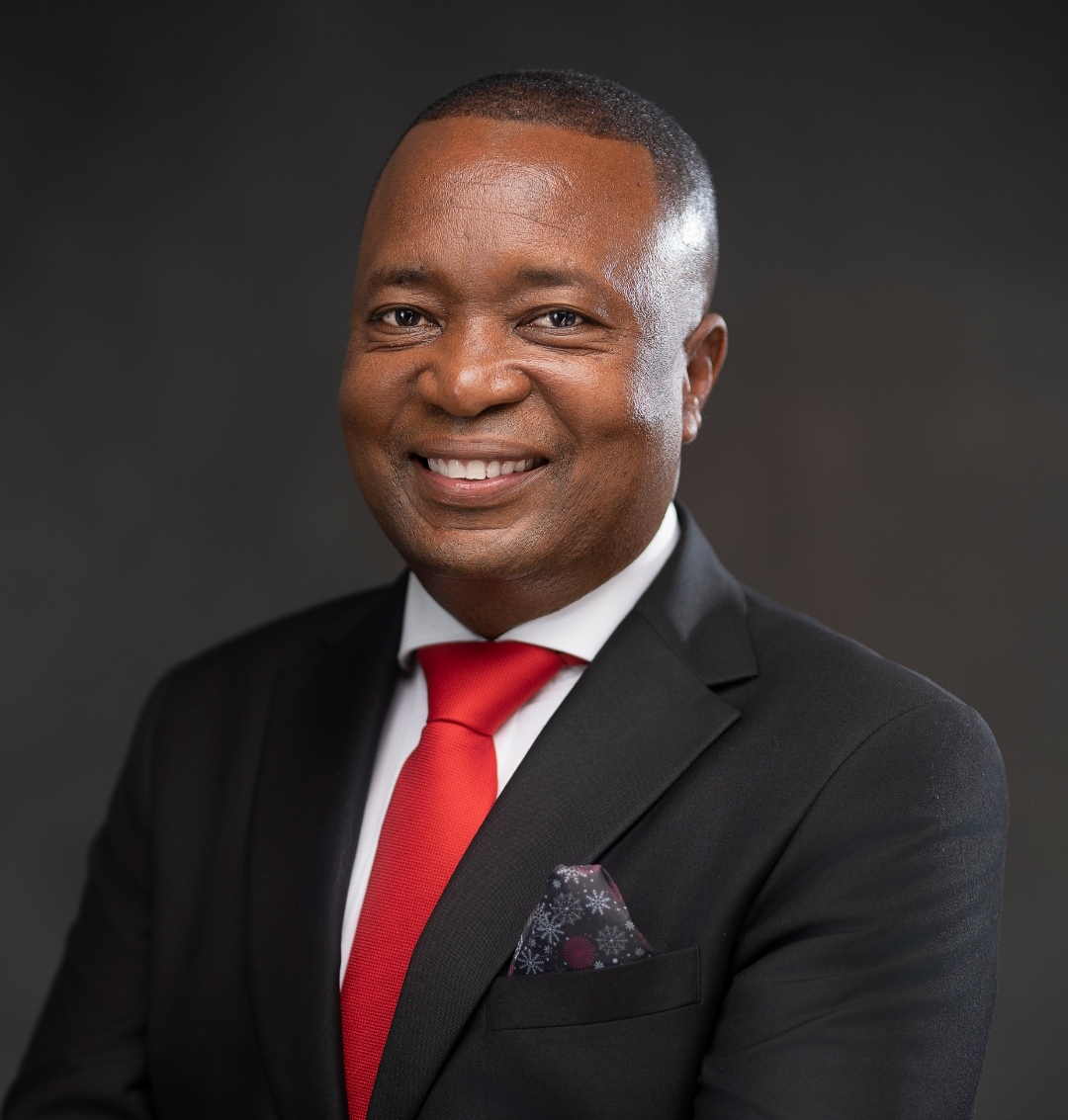
By Suleman Chitera
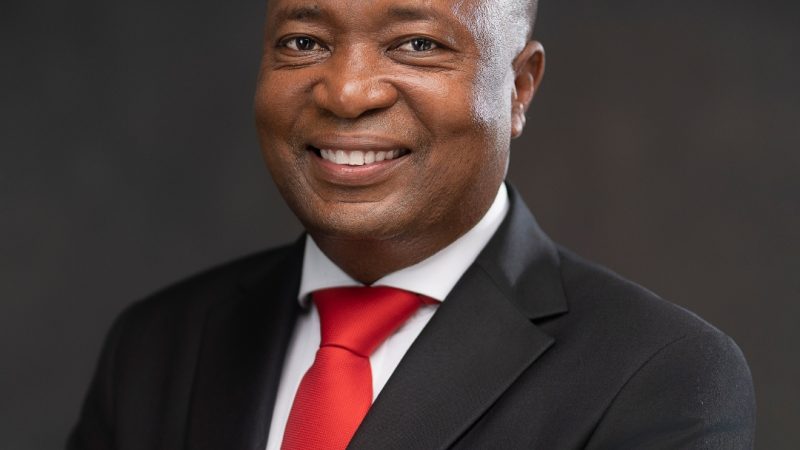
UTM President Dalitso Kabambe has called for a fundamental change in the way successive governments have dealt with corruption in Malawi, arguing that the fight against the vice has been undermined by political interference and the weakening of institutions mandated to hold public officials accountable.
Speaking in an exclusive interview on Capital FM monitored by MFN, Kabambe said successive administrations had largely treated corruption with what he described as “kid gloves”, allowing the problem to persist and become deeply entrenched in the country’s governance systems.
Kabambe argued that the failure to decisively confront corruption has not only undermined public institutions but has also deprived Malawians of resources that could have been used to improve essential services and national development.
He said one of the major problems has been the weakening of institutions such as the Anti-Corruption Bureau (ACB), which he said must be allowed to operate independently and effectively if Malawi is to make meaningful progress in the fight against corruption.
According to Kabambe, strengthening the ACB should begin with ensuring that it is headed by people with the competence, integrity and professional capacity required to investigate and pursue corruption cases without fear or favour.
“We need to strengthen institutions like the ACB by appointing capable people to lead them,” Kabambe said.
He maintained that his proposed approach would be different from what he described as the pattern of protecting politically connected individuals whenever allegations of corruption arise.
Kabambe said that under a government led by him, the position or political influence of an individual would not determine whether they are investigated or prosecuted.
“Anyone doing corruption will be prosecuted regardless of their position,” he said.
In one of the defining moments of the interview, Kabambe was asked whether he would allow members of his own Cabinet to face prosecution if they were implicated in corruption.
The UTM president responded emphatically “YES.”
Kabambe said political office should not provide protection from accountability, arguing that ministers and other senior government officials must be subject to the same laws as other citizens.
His position, he said, is that public office should be treated as a responsibility rather than a shield against criminal accountability.
Kabambe’s stance is consistent with positions he has previously articulated on institutional reform and the fight against corruption. In 2025, he publicly called for competent leadership of the ACB and the Auditor General’s office, as well as stronger auditing of government expenditure.
Concern over weakened civil society
Kabambe also raised concerns about the treatment of civil society leaders and organisations that have been pushing for greater accountability from government.
He argued that weakening or intimidating civil society organisations and leaders who speak out against corruption undermines one of the important mechanisms through which citizens can demand accountability from those in power.
According to Kabambe, civil society should be able to scrutinise government decisions, question the use of public resources and demand explanations without being viewed as an enemy of the government.
He said an effective anti-corruption strategy therefore cannot rely solely on law-enforcement agencies. It must also protect the space for journalists, civil society organisations and citizens to expose wrongdoing and demand accountability.
The comments come amid continuing debate in Malawi over the independence and effectiveness of institutions responsible for investigating corruption and financial misconduct. Recent public reporting has also seen Kabambe himself make allegations of financial irregularities involving several public institutions, although such allegations require investigation and verification by the relevant authorities.
Institutions, not personalities
For Kabambe, the broader issue goes beyond individual corruption cases.
He argued that Malawi needs institutions capable of functioning independently, regardless of which political party is in government.
He said appointing competent people to institutions such as the ACB would be critical because the credibility of the anti-corruption fight depends not only on the laws on paper but also on the people entrusted with enforcing them.
Kabambe’s argument is that when institutions are weakened, political leaders can potentially interfere with investigations, while individuals accused of wrongdoing can use their positions or political connections to avoid accountability.
He therefore called for a system in which investigations and prosecutions are guided by evidence and the law rather than political considerations.
No protection for the politically powerful
The UTM leader’s comments also focused on the principle of equal accountability.
He argued that corruption cannot be effectively addressed if the law is applied selectively, particularly when allegations involve senior government officials.
For Kabambe, the credibility of any administration’s anti-corruption agenda would ultimately be tested by how it responds when allegations involve people close to the centre of power.
His emphatic “YES” when asked whether his ministers would be prosecuted if implicated in corruption was therefore presented as a commitment that political loyalty would not override accountability.
Kabambe has previously advocated a tougher approach to corruption, including forensic audits and more rigorous scrutiny of public expenditure.
The bigger challenge
Malawi has established institutions and legal frameworks designed to combat corruption, but the effectiveness of those mechanisms depends on institutional independence, adequate resources, professional leadership and the willingness of authorities to allow investigations and prosecutions to proceed.
Kabambe’s argument is that governments have not done enough to create an environment in which these institutions can operate without interference.
He says his proposed administration would therefore focus on strengthening institutions rather than protecting individuals, appointing people on the basis of competence and ensuring that anyone found to have engaged in corruption faces the law.
The UTM leader’s message on Capital Straight Talk was clear: the fight against corruption, in his view, cannot be selective, political or dependent on the status of the person accused.
For Kabambe, the credibility of government would ultimately depend on whether those entrusted with public power are prepared to subject themselves—and those around them—to the same standards of accountability expected of ordinary citizens.
Read also: Amaryllis Hotel Scandal: “half baked” inquiry report Sparks More questions than answers
Read also: Gondwe Implicated In Mulli’s Bus Depot Gate
Read also: ESCOM Signs Transmission Connection Agreement with Press Energy Limited