 Suleman Chitera
By Suleman Chitera, MFN Reporter
November 7, 2026
Malawi’s agricultural sector has significant potential to drive industrialisation, create employment and strengthen the national economy if more locally produced crops are processed into finished products within the country.
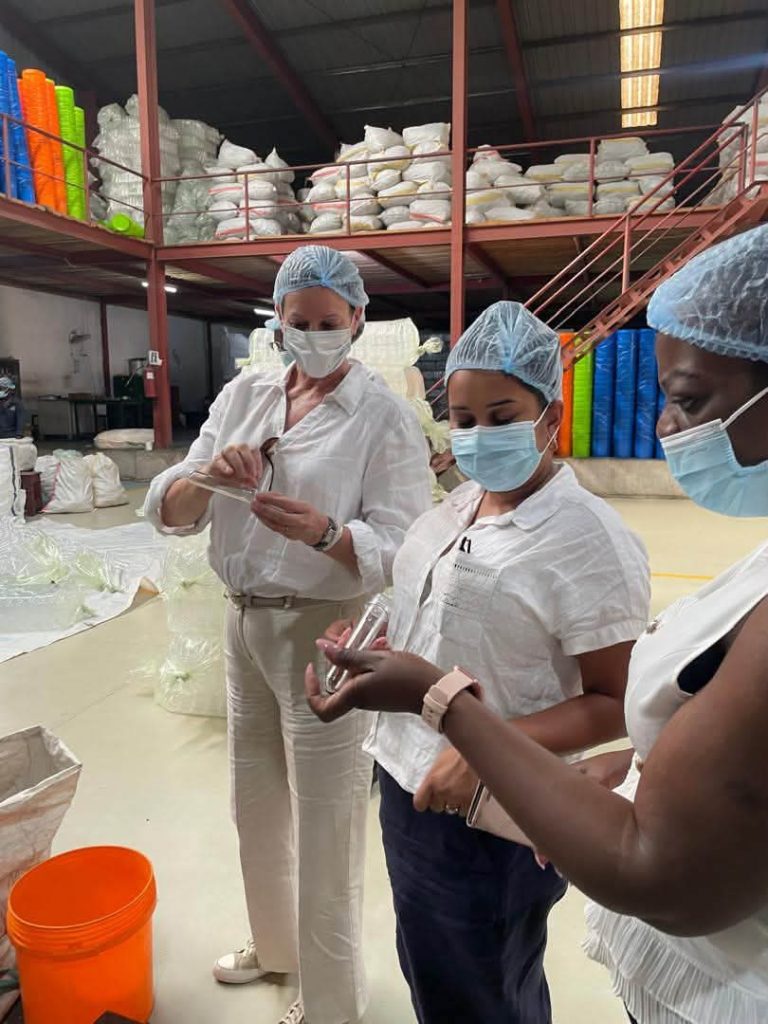
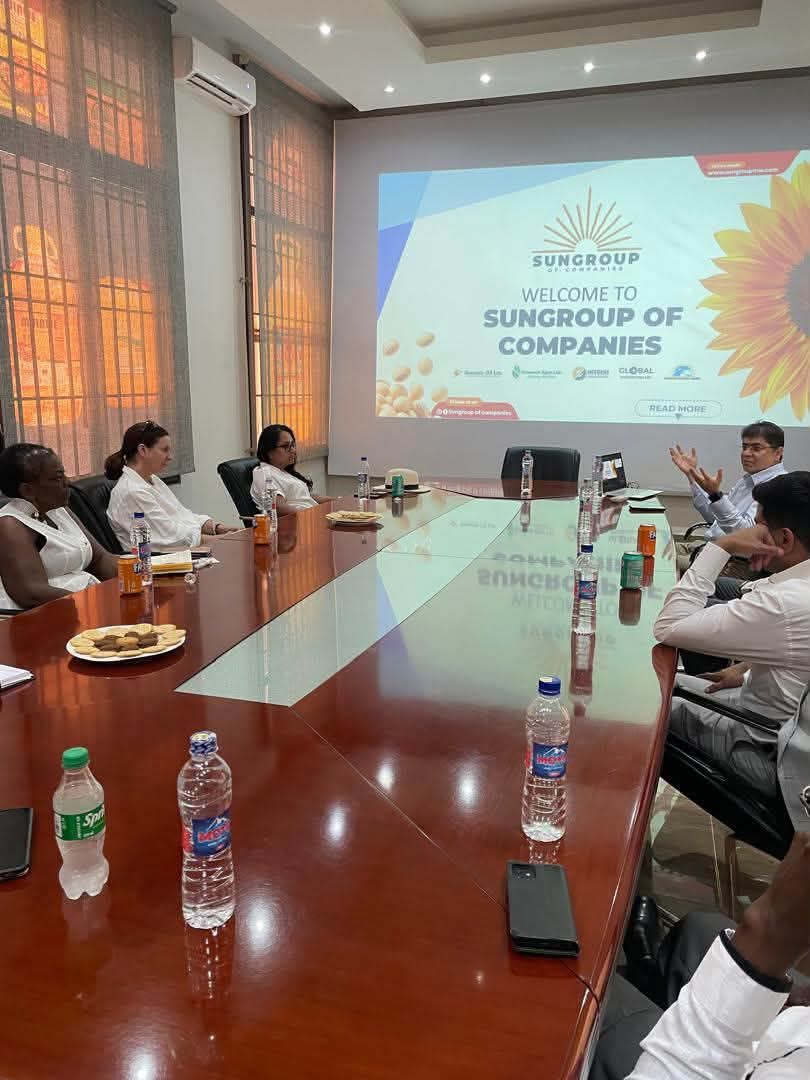
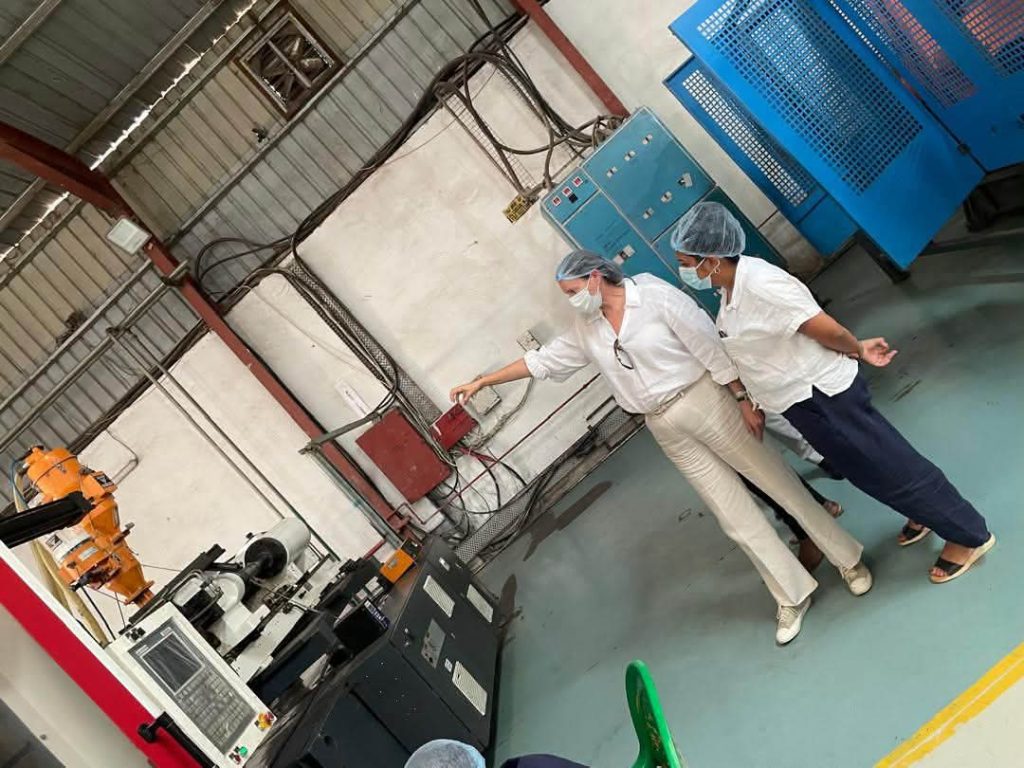
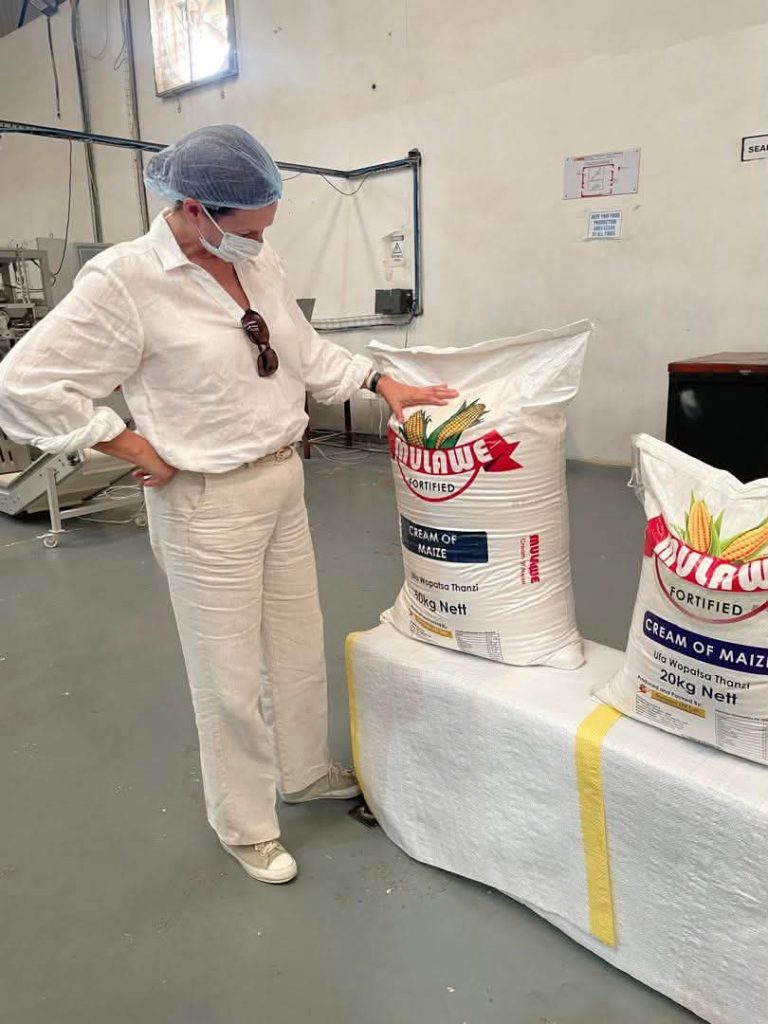
This opportunity was highlighted during a visit by British High Commissioner to Malawi, Leigh Stubblefield, to Sunseed Oil, a Malawian agro-processing company demonstrating how agricultural produce can be transformed into a range of consumer and industrial products.
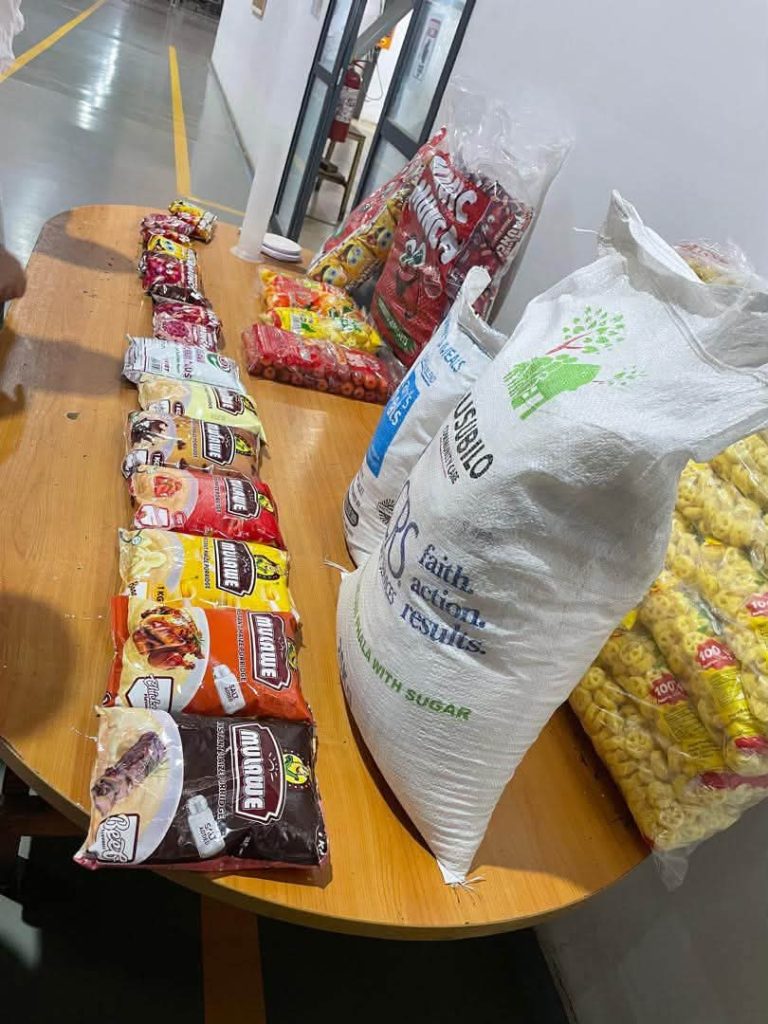
During the visit, Stubblefield toured the company’s operations, where locally grown crops, including soya and sunflower, are processed into edible cooking oil, fortified foods, maize flour, margarine, soap and animal feed.
The operations demonstrate the important role agro-processing businesses can play in connecting smallholder farmers to manufacturing industries while creating additional economic value from Malawi’s agricultural production.
Rather than relying primarily on the export of raw agricultural commodities, the development of local processing industries offers Malawi an opportunity to retain more value within its economy, expand manufacturing capacity and reduce dependence on imported finished products.
Companies such as Sunseed Oil also provide potential markets for farmers, agricultural suppliers and other businesses involved in the production, transportation and distribution of agricultural commodities.
By purchasing locally grown crops and converting them into marketable products, agro-processors can contribute to strengthening agricultural value chains, improving market access for farmers and supporting economic activities beyond primary farming.
However, the expansion of Malawi’s manufacturing sector continues to depend on an enabling business environment that allows companies to operate efficiently and invest in new production capacity.
During the engagement, discussions focused on some of the challenges affecting manufacturers and what could be done to support further investment and industrial growth.
Key concerns included access to foreign exchange, reliable electricity supply, affordable financing, efficient logistics and predictable regulatory frameworks.
These factors remain critical for businesses that depend on imported machinery, spare parts, production inputs and consistent energy supplies to maintain operations.
For manufacturers, unreliable electricity and foreign exchange constraints can increase production costs, disrupt operations and make long-term investment decisions more difficult.
Improving these conditions would help existing companies expand production, create additional employment opportunities and attract new investors into Malawi’s manufacturing industry.
The visit also highlighted the growing scope of cooperation between Malawi and the United Kingdom, with both countries looking beyond traditional development assistance towards stronger trade, investment and technical partnerships.
The UK-Malawi partnership is increasingly incorporating opportunities for businesses, investors and institutions to work together in areas that can support sustainable economic growth.
For Malawi, strengthening agro-processing presents an important opportunity to address some of the structural challenges facing its economy.
Also FDH Money Bureau launches ‘Double Double’ Promotion
With agriculture remaining a major source of livelihoods, increasing investment in processing, storage, manufacturing and distribution could help farmers earn from reliable markets while supporting the growth of locally established industries.
The experience of Sunseed Oil illustrates how linking agriculture with manufacturing can help transform locally available resources into products that serve domestic markets and potentially create opportunities for wider regional trade.
Ultimately, Malawi’s economic transformation will depend not only on how much the country produces in its fields, but also on how effectively it processes, manufactures and markets those products.
Read also Gazette Media backs SWAM AGM with K1 Million
The challenge now is to create conditions that enable more Malawian businesses to invest, expand production and turn the country’s agricultural potential into lasting economic value.