 Malawi Freedom Network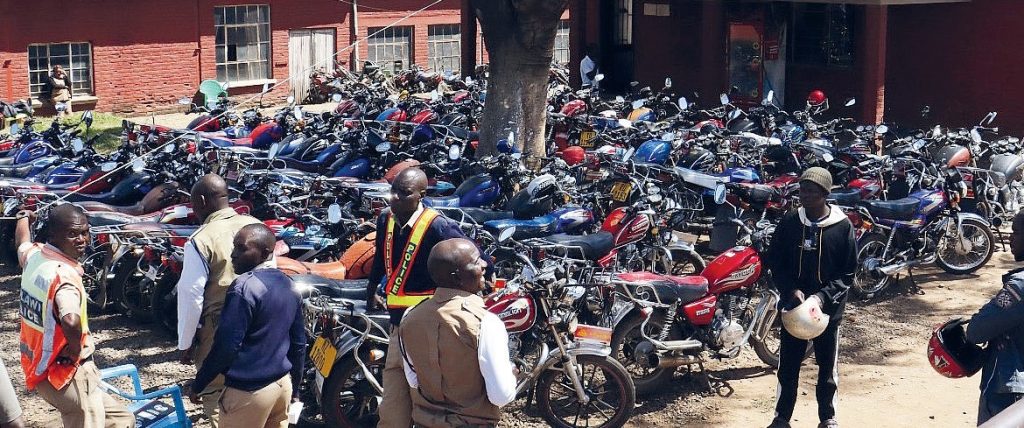
By Our Reporter
LILONGWE — Growing concerns over increased traffic fines, driving licences and motorcycle permits, as well as challenges facing people in the transport business, are becoming a major issue in public discussions about the Democratic Progressive Party (DPP) government.
The complaints are particularly coming from people who depend on motorcycles, minibuses and small vehicles to earn their daily income. Some say the rising costs and stricter enforcement of road traffic laws have made their businesses increasingly difficult and expensive to operate.
The concerns come after changes to road traffic regulations in 2026, which significantly increased penalties for certain offences. Under the new regulations, a person driving without a driving licence or professional driving permit can face a K200,000 fine, up from K10,000. The penalty for failing to stop a vehicle or comply with instructions from a traffic officer has also increased to K100,000.
Although the purpose of tougher enforcement may be to improve road safety, some citizens argue that the fines are too high for ordinary Malawians, particularly at a time when many households are struggling financially.
Transport businesses under pressure
For many people whose livelihoods depend on the transport business, the issue is not only about traffic fines.
Motorcycle operators and other drivers must ensure that they have the required licences and documentation. Some say that when all the costs are combined, the financial burden becomes too heavy for someone earning only a modest income each day.
This can also affect passengers. If the cost of operating a transport business increases, operators may be forced to raise fares in order to remain in business.
The result could be that ordinary Malawians pay more to travel, while transport operators themselves continue struggling to keep their businesses alive.
Motorcycles at the centre of the controversy
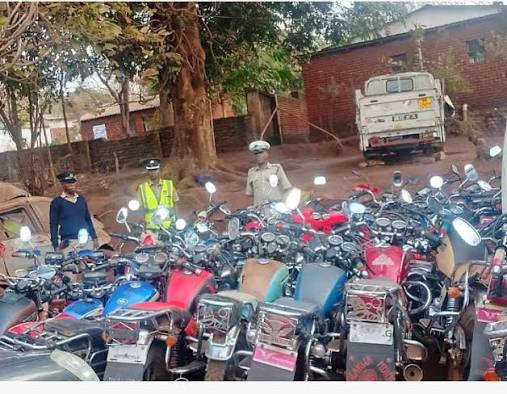
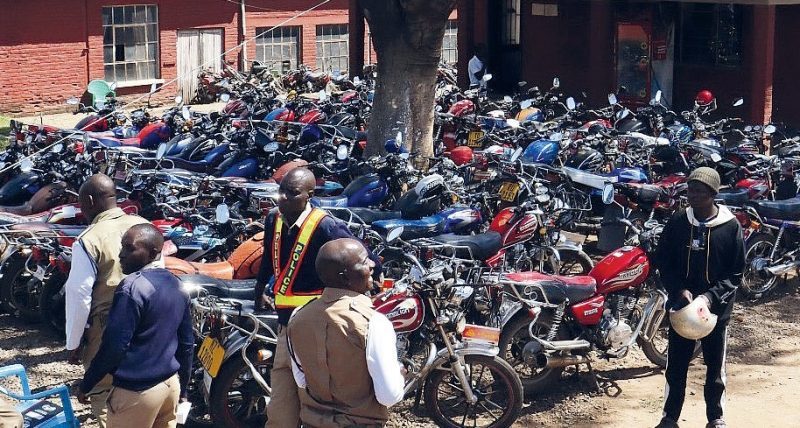
The impounding of motorcycles over failure to comply with traffic requirements has also generated complaints among some operators.
For many people, a motorcycle is not simply a means of transportation but a source of income for their families.
Therefore, when a motorcycle is impounded or an operator cannot meet licensing requirements because of financial difficulties, the impact can directly affect the livelihood of an entire family.
This is where the issue is increasingly becoming political.
“Is this what you voted for?”
Some critics of the government are now using the argument:
“The government is a DPP government. This is what you voted for on September 25, so now you must experience the consequences.”
The statement has become part of the political debate, particularly as citizens assess how government policies are affecting their everyday lives.
For opposition voices, rising traffic fines, transport challenges and other costs facing citizens could become issues through which they question whether the government is delivering what voters expected.
However, it is important to distinguish between government policies, laws being enforced by government institutions, and public perceptions of the impact of those policies.
The DPP, for its part, says its policy agenda focuses on issues including the rule of law, public service performance, transport infrastructure and human capital development.
School fees also a concern for families
Education costs are also being mentioned among the concerns raised by citizens.
However, there is an important distinction. The Ministry of Education says public secondary schools have Free Secondary Education, and in January 2026 the government removed the School Development Fund and examination-related fees from public schools. Boarding fees and some costs associated with open secondary schools, however, remain.
Therefore, claims about “school fees” need to be clearly explained so that readers understand whether they relate to boarding, open secondary schools, private schools or other education-related expenses.
Could these issues damage the DPP’s reputation?
The bigger question is: Could these challenges begin damaging the DPP’s reputation among Malawians?
In politics, people often judge a government based on what they experience in their everyday lives.
If a person sees transport becoming more expensive, their motorcycle business struggling, traffic fines becoming increasingly burdensome and other costs rising, they may begin to feel that government policies are making their lives more difficult.
This is exactly what government critics could use to build the political message:
“You voted for change, but now you are experiencing the consequences of your choice.”
The government, however, can respond by explaining why the regulations were introduced, ensuring that police officers enforce them fairly and reviewing whether some penalties are appropriate given the economic circumstances facing ordinary citizens.
The challenge facing the DPP, therefore, is not simply about the laws themselves, but how people perceive the impact of those laws on their daily lives.
If complaints continue to grow and citizens feel that their concerns are not being heard, the issues of traffic fines, transport and the cost of essential services could become a major political issue capable of affecting public confidence in the DPP.
For now, many citizens are asking for one thing:
Laws must be enforced, but enforcing the law should not make life impossible for ordinary Malawians.