
 Suleman Chitera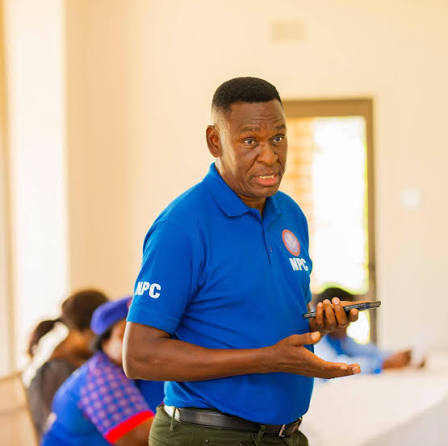
200 boreholes, upgraded roads, two ambulances, two development trucks and a growing commitment to vulnerable citizens are putting people at the centre of Chisale’s leadership
By Malawi Freedom Network
In politics, promises can fill stadiums.
Speeches can dominate headlines.
Campaign slogans can be remembered for years.
But for ordinary people, leadership is ultimately measured in something far more powerful:
What has changed in their lives?
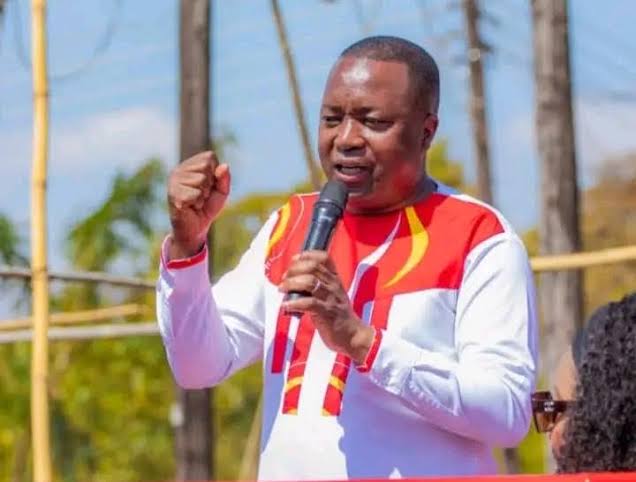
In Ntcheu Central East, Honourable Norman Paulos Chisale, Member of Parliament for the constituency, is building a leadership profile around a simple but powerful principle—development must be felt by the people it is intended to serve.
From roads and water to healthcare, transportation, food support and care for elderly and vulnerable citizens, Chisale’s constituency development efforts are putting a distinctly human face on political leadership.
And for the communities benefiting from these initiatives, development is no longer simply something discussed in political meetings.
It is something they can see, touch and experience.
A leader measured beyond Parliament
Being an MP is about more than occupying a seat in the National Assembly.
It is about representing people.
It is about listening to communities.
It is about understanding what families struggle with every day.
And, where possible, helping turn those challenges into practical development priorities.
This is the philosophy that supporters associate with Chisale’s leadership.
Rather than allowing constituency development to remain a collection of promises, his approach has focused attention on some of the most basic needs affecting communities—roads, water, healthcare, transport and support for vulnerable people.
These are issues that may sound ordinary in political speeches.
But to families living with them every day, they are everything.
200 boreholes: Bringing water closer to communities
One of the most significant achievements associated with Chisale’s constituency development programme is the drilling of 200 boreholes.
For communities where access to reliable water has traditionally been a challenge, every borehole can represent a major improvement in daily life.
Think of the mother who previously had to walk a long distance to find water.
Think of the child who spent precious hours fetching water instead of studying.
Think of elderly people who struggled to access water because of distance and mobility challenges.
Then imagine water being brought closer to the community.
That is the human meaning behind the figure 200.
It is not simply a statistic.
It represents hundreds of points of hope and improved access for communities.
For Chisale, investment in water is an investment in dignity, health and the future of the constituency.
Better roads, better opportunities
Road infrastructure is another area receiving attention.
Chisale has been supporting the upgrading of constituency roads, recognising that roads are fundamental to economic and social development.
A good road connects farmers to markets.
It connects students to schools.
It connects patients to health facilities.
It allows businesses to move goods.
And during emergencies, it can make the difference between receiving help quickly and waiting helplessly.
For rural communities, therefore, a road is not simply infrastructure.
A road is a connection to opportunity.
Every road upgraded potentially brings a community closer to markets, services and economic activity.
That is why road development remains one of the most visible ways constituency leadership can affect people’s everyday lives.
Two ambulances: Supporting healthcare when every minute matters
Perhaps nothing demonstrates the human side of development more clearly than healthcare.
Chisale has donated two ambulances to support healthcare needs.
An ambulance is not merely a vehicle.
When a patient needs urgent medical attention, it can become a lifeline.
For a pregnant woman experiencing complications.
For an accident victim.
For a seriously ill patient.
For an elderly person requiring urgent medical attention.
The ability to move a patient quickly can be critically important.
The two ambulances therefore represent an investment not only in transportation, but in access to emergency healthcare and the dignity of patients and their families.
Two trucks helping development move
Development itself requires movement.
Construction materials have to be transported.
Community projects need logistics.
Equipment has to reach places where it is needed.
Communities sometimes require vehicles to support development initiatives.
Recognising this need, Chisale has also donated two trucks for development purposes.
It is an intervention that may not receive the same emotional attention as food distribution or healthcare, but its importance is practical.
Because development cannot move forward if the tools and materials needed to support it cannot move.
The trucks add another layer to Chisale’s constituency development agenda—providing practical resources that can help communities and projects get things done.
Not forgetting those who need help most
But the Chisale development story does not end with roads, water and vehicles.
There is another side to leadership that cannot always be measured in kilometres of roads or numbers of projects.
It is compassion.
It is standing with people during difficult moments.
It is remembering families who may have been overlooked.
Chisale has also been involved in food distribution to vulnerable people, offering support to households facing hardship.
For a struggling family, food assistance can mean much more than a package.
It can mean relief.
It can mean a meal.
It can mean knowing that someone has noticed their struggle.
And sometimes, the most powerful form of leadership is simply being there.
A special place for the elderly
Among the most human aspects of Chisale’s work is his attention to older people.
The elderly are the custodians of community history.
They are parents, grandparents and citizens who have spent decades contributing to their families and communities.
Yet old age can bring vulnerability, poverty and dependence.
Chisale’s support for elderly people—including providing food and helping care for vulnerable older citizens—reflects an approach to development that goes beyond physical infrastructure.
It says something important:
A community cannot call itself developed if its most vulnerable people are left behind.
For an elderly person receiving food or support, the significance may not be measured in monetary terms.
It can simply be the feeling of being remembered.
Development with a human face
Put all these initiatives together and a broader picture begins to emerge.
200 boreholes.
Upgraded constituency roads.
Two ambulances.
Two trucks supporting development.
Food assistance for vulnerable people.
Support and care for elderly citizens.
Each initiative addresses a different challenge.
But together, they tell one story:
A constituency development agenda focused on people.
Water addresses basic needs.
Roads improve connectivity.
Ambulances strengthen access to emergency transportation.
Trucks support development logistics.
Food assistance provides relief.
Support for the elderly protects dignity.
This is where development stops being a political slogan and becomes a human experience.
The people behind the numbers
Numbers can sometimes hide the human stories behind development.
Two hundred boreholes sound impressive.
But behind those 200 boreholes are families.
Behind every upgraded road are communities that depend on it.
Behind two ambulances are patients and families who may one day need emergency transportation.
Behind two trucks are development activities requiring logistical support.
Behind food distributions are households facing difficult circumstances.
And behind support for elderly people are citizens who deserve dignity in their later years.
That is why constituency development should never be reduced to statistics alone.
The real measurement is the number of lives made easier.
Leadership that stays close to the community
For Chisale’s supporters, one of the defining features of his leadership is the emphasis on remaining connected to the constituency.
Politics can easily become distant from ordinary people.
But constituency leadership is different.
It requires listening.
It requires visibility.
It requires understanding local priorities.
And it requires returning to communities not only during election campaigns, but throughout the political term.
That is the kind of leadership residents increasingly expect from their elected representatives.
A constituency looking toward the future
Ntcheu Central East still has challenges.
No Member of Parliament can solve every problem overnight.
There will always be more roads requiring attention, more communities needing water, more healthcare demands and more vulnerable people requiring assistance.
But development is not accomplished in one giant step.
It is built project by project.
Community by community.
And, most importantly, person by person.
The challenge for Chisale going forward will be to build on the work already undertaken, strengthen partnerships with communities and relevant institutions, and continue directing development towards areas where it can have the greatest impact.
More than a political title
At the end of the day, Honourable Norman Paulos Chisale is not simply a name on a ballot paper.
He is a representative entrusted with the hopes and expectations of the people of Ntcheu Central East.
And the story his supporters are building around his leadership is one in which constituency development takes centre stage.
They point to the roads.
They point to the boreholes.
They point to the ambulances.
They point to the trucks.
They point to the food reaching vulnerable households.
And they point to elderly citizens receiving support and care.
These interventions form a picture of leadership that seeks to combine infrastructure development with compassion.
A legacy written in communities
Political leaders are often remembered for what they said.
Communities, however, tend to remember what they experienced.
They remember the road that became passable.
They remember the borehole that brought water closer.
They remember the ambulance that arrived when someone was sick.
They remember the vehicle that helped a development project move forward.
They remember the food that arrived during a difficult period.
And elderly people remember the people who remembered them.
That is where the story of Honourable Norman Paulos Chisale becomes bigger than politics.
It becomes a story about service, development, compassion and the dignity of ordinary citizens.
For the people of Ntcheu Central East, the message is clear:
Leadership should not only be heard. It should be seen.
Seen on the roads.
Seen at water points.
Seen in healthcare.
Seen in community development.
Seen in support for vulnerable families.
And seen in the care given to those who built the communities generations before.
For Malawi Freedom Network, the story of Norman Paulos Chisale is therefore worth telling—not simply as a political profile, but as a human-interest story about what constituency leadership can mean when development is brought closer to the people.
Norman Paulos Chisale: Development. Service. People.
And in Ntcheu Central East, the journey continues.
Malawi Freedom Network — telling Malawi’s stories, amplifying communities and putting people at the heart of the news.