
 Malawi Freedom Network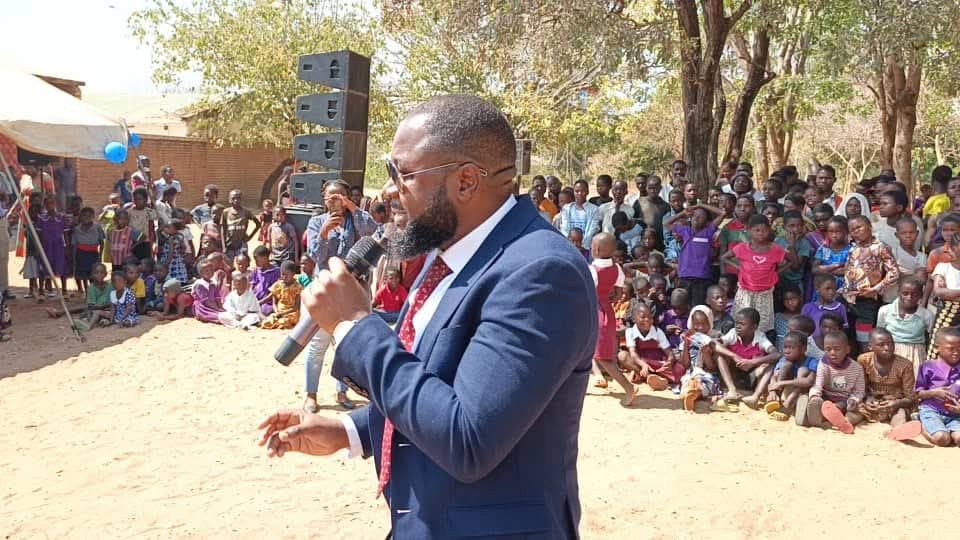
By Malawi Freedom Network
As Malawi begins looking beyond the current political cycle, one question is becoming increasingly difficult to ignore: what kind of leadership will Malawians demand when the country goes to the polls in 2030?
The answer may not come only from the traditional political establishment.
A new generation of political voices is gradually entering Malawi’s national conversation, and among the names attracting growing attention is Rhodrick Junaid Kalumpha.
For his supporters, Kalumpha represents something different — a younger political voice associated with community engagement, philanthropy, entrepreneurship and an ambition to participate more actively in shaping Malawi’s future.
But the significance of his growing profile goes beyond one individual.
It speaks to a much bigger political question: Can a new generation of leaders redefine the conversation ahead of 2030?
2030 IS ALREADY BECOMING THE NEXT BIG POLITICAL TEST
Although the 2030 general election is still years away, political positioning has already begun.
Parties are rebuilding structures. Political figures are strengthening relationships. Young people are becoming more vocal about the future they want. And across the country, voters are increasingly interested in leaders who can demonstrate what they can actually do.

This creates an opening for individuals who can combine political ambition with visible engagement in society.
That is where Kalumpha’s name enters the conversation.
Rather than waiting for the 2030 campaign season, his supporters argue that leadership should be demonstrated long before election posters appear on the streets.
FROM POLITICAL PROMISES TO VISIBLE ACTION
One of the strongest elements of Kalumpha’s emerging public image has been his involvement in community initiatives.
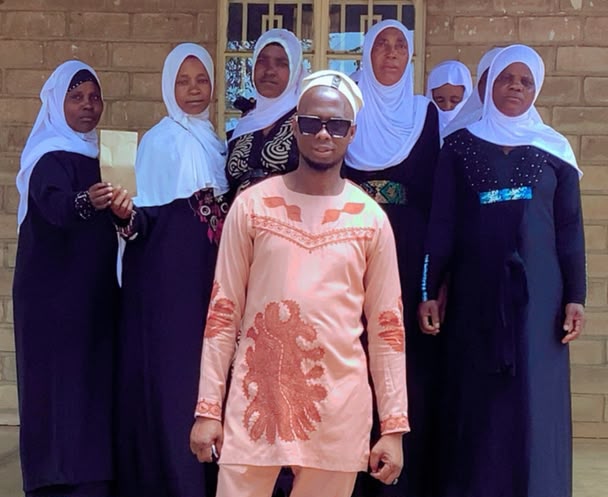
His recent intervention at Mangochi District Hospital, where he provided heating oils that enabled electric cooking equipment to resume operations, has been highlighted as an example of practical intervention rather than political rhetoric.
For supporters, such actions demonstrate an important principle:
Leadership should begin before holding public office.
The argument is straightforward. If an individual wants to influence the direction of a country tomorrow, citizens have a right to examine what that person is doing today.
This does not automatically translate into political success.
But it creates a foundation upon which political credibility can potentially be built.
THE YOUTH QUESTION
Malawi’s political future will inevitably involve its young population.
Young Malawians are demanding jobs, business opportunities, better education, technological advancement and a stronger economy.
They are also becoming less interested in politics based purely on personalities and traditional slogans.
The 2030 generation is likely to ask harder questions.
What is your economic vision?
How will you create jobs?
How will you support entrepreneurs?
What will you do about education?
How will you improve healthcare?
How will you fight corruption?
And perhaps most importantly:
What have you actually done before asking us to trust you with power?
These questions could create opportunities for leaders capable of presenting themselves as practical problem-solvers rather than simply political personalities.
WHY KALUMPHA IS ATTRACTING ATTENTION
Kalumpha’s growing visibility comes at a time when Malawi’s political landscape is preparing for another major transformation.
His supporters see him as part of a generation that wants to move beyond the traditional political script.
They point to his public engagement, business interests, philanthropic activities and willingness to speak on national issues as elements of a potentially broader leadership profile.
His previous public commentary has also included criticism of government policy and questions about the feasibility of major social programmes, demonstrating an increasing willingness to participate in national policy debates.
That combination — public engagement, policy commentary and community intervention — could become important if his political ambitions continue to develop.
BUT 2030 WILL DEMAND MORE THAN POPULARITY
There is an important distinction between becoming popular and becoming politically credible.
Malawi has seen many individuals attract attention before disappearing from the political stage.
If Kalumpha wants to become a serious figure in the 2030 conversation, the next four years will be critical.
He will need to demonstrate consistency.
He will need a clear political philosophy.
He will need policies that go beyond general promises.
He will need to demonstrate an understanding of Malawi’s economy, agriculture, education, healthcare, youth unemployment, infrastructure and governance.
And above all, he will need to convince citizens that his political ambitions are about more than personal advancement.
THE 2030 OPPORTUNITY
The most interesting part of Kalumpha’s story is therefore not whether he is already a presidential candidate or whether he has secured a particular political position.
It is what his emergence represents.
Malawi is entering a period in which the next generation of political leaders will increasingly demand space.
The established political class will remain influential.
But younger voices are unlikely to remain spectators forever.
They will want to participate.
They will want to lead.
And they will want to influence the direction of the country.
Kalumpha appears determined to position himself within that conversation.
Whether that journey eventually leads him to the highest levels of national politics remains to be seen.
But the political groundwork is already beginning.
THE ROAD TO 2030
The 2030 election will not be won today.
But the leadership that Malawians choose in 2030 will be shaped by what politicians and aspiring leaders do between now and then.
That makes the present period extremely important.
It is the time for building credibility.
It is the time for engaging communities.
It is the time for developing ideas.
It is the time for demonstrating leadership.
And it is the time for the next generation to decide whether it will simply complain about Malawi’s problems — or become part of the generation determined to solve them.
For Rhodrick Junaid Kalumpha, the opportunity is clear.
If he wants to become one of the defining political voices of Malawi’s 2030 generation, the journey starts now.
The question is no longer simply who will contest in 2030.
The bigger question is:
Who will spend the next four years proving that they deserve to lead Malawi into the next decade?
Kalumpha has entered that conversation.
Now the country will be watching what he does next.