
 Suleman Chitera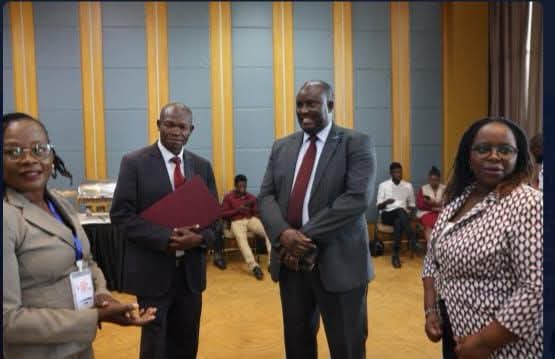
By Suleman Chitera | Malawi Freedom Network (MFN)
LILONGWE, October 13, 2026 — The Government of Malawi, working with development partners, is stepping up efforts to protect women and girls from disruptions to essential sexual and reproductive healthcare during disasters, as the country seeks to strengthen its capacity to respond to humanitarian emergencies.
The initiative aims to ensure that women and girls continue receiving critical medical services during emergencies such as floods, which can damage health facilities, displace communities and make it difficult for vulnerable people to access timely healthcare.
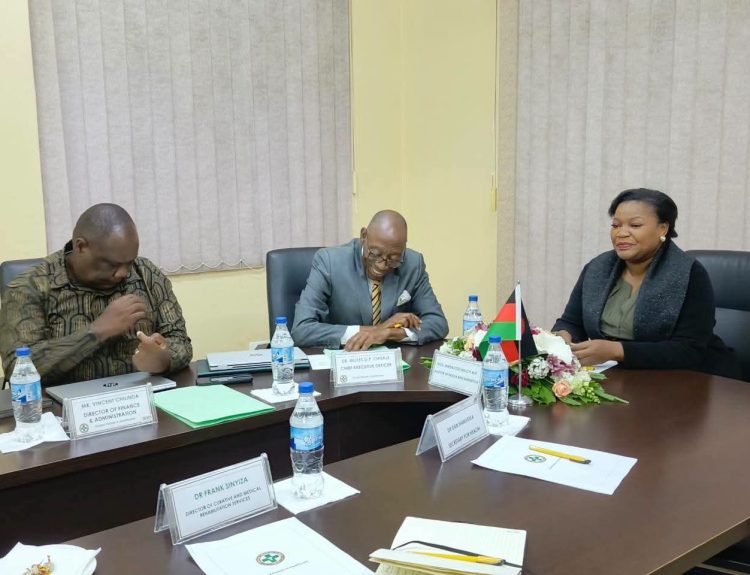
The efforts were highlighted in Lilongwe on Monday, October 12, during the opening of a five-day regional training programme on the Minimum Initial Service Package (MISP) for Sexual and Reproductive Health and Rights in Emergencies.
The training, running from October 12 to 16, 2026, has brought together participants from Malawi, Botswana, Lesotho, Eritrea and Eswatini, among other countries, to strengthen knowledge and practical capacity in delivering essential reproductive health services during humanitarian crises.
The programme comes at a time when disaster preparedness remains an important priority for countries vulnerable to climate-related emergencies, particularly where floods and other natural disasters can place additional pressure on already stretched healthcare systems.
Principal Secretary for Administration in the Ministry of Health and Sanitation, Bestone Chisamile, said Malawi’s recurring disasters demonstrate the need for health authorities to prepare adequately to maintain essential services whenever emergencies occur.
Chisamile emphasised the importance of integrating sexual and reproductive healthcare into national disaster preparedness and response plans to ensure that vulnerable populations are not left without critical medical support when disasters strike.
His remarks highlight the need for emergency planning to extend beyond immediate rescue operations and the provision of food, shelter and clean water to include healthcare services that women and girls depend on.
During humanitarian emergencies, pregnant women may struggle to reach health facilities for antenatal care and safe delivery, while newborns can face increased health risks when access to medical attention is interrupted.
Women and girls may also encounter heightened risks of sexual violence and exploitation in displacement settings, making access to confidential, timely and appropriate medical care particularly important.
World Health Organization (WHO) Representative in Malawi, Dr Charles Kuria Njuguna, said disasters frequently displace communities and disrupt healthcare delivery, creating additional barriers for women and girls seeking essential medical services.
Njuguna stressed that effective preparedness is vital to preventing avoidable maternal and newborn deaths and ensuring survivors of sexual violence receive timely and appropriate care.
His message underscores the importance of having trained health workers, coordinated emergency response systems and essential medical supplies available when communities face humanitarian crises.
The Minimum Initial Service Package provides a framework for prioritising essential sexual and reproductive health interventions at the onset of an emergency. Its purpose is to help humanitarian responders identify and address urgent health needs without waiting for a full assessment of the affected population.
Such interventions are particularly important in emergencies, when damaged infrastructure, interrupted transport services and overcrowded temporary shelters can make accessing healthcare more difficult.
The regional training is being organised by WHO Malawi in collaboration with the Ministry of Health and Sanitation, the United Nations Population Fund (UNFPA), UNICEF, UNAIDS and the 2gether4SRHR partnership, with support from Sweden.
The involvement of these organisations reflects a coordinated approach to improving emergency health response and strengthening the capacity of countries to protect vulnerable populations during disasters.
For Malawi, the initiative presents an opportunity to strengthen cooperation between health authorities and disaster response agencies while improving the preparedness of healthcare workers to respond to the specific needs of women and girls.
Must read Malawi Introduces Mandatory Health Screening at Borders Amid Ebola Concerns
As the training continues through October 16, the emphasis remains on building practical capacity and ensuring that sexual and reproductive health services are recognised as an essential component of humanitarian response.
Ultimately, strengthening emergency preparedness will be measured not only by the ability to respond quickly when disasters occur, but also by whether women, girls, mothers and newborns can continue accessing lifesaving healthcare when they need it most.