 Suleman Chitera

By Suleman Chitera
An Investigative Examination of Policing in Malawi Across Two Political Eras
For five consecutive years, Malawi lived under a troubling paradox: a nation constitutionally committed to democracy, yet policed in a manner more consistent with authoritarian control. Under the administration of the Malawi Congress Party and President Lazarus Chakwera, the Malawi Police Service increasingly drifted away from its constitutional mandate of protecting citizens and enforcing the law impartially. Instead, mounting evidence suggests it was repurposed into an instrument of intimidation, selective enforcement, and political suppression.
A Pattern of Abuse, Not Isolated Incidents
This investigation finds that police misconduct during the MCP era was neither accidental nor sporadic. Numerous documented incidents reveal a pattern in which ordinary Malawians—particularly those perceived as politically inconvenient—were subjected to harassment, violent dispersal of assemblies, arbitrary arrests, and, in extreme cases, fatal encounters in full police presence.
Protests were met with brute force rather than dialogue. Citizens were beaten in broad daylight. Others were hacked, assaulted, or killed while police either actively participated or conspicuously failed to intervene. Instead of acting as neutral guardians of public order, officers were repeatedly accused of enforcing political loyalty.
The chilling effect was unmistakable: fear replaced free expression, and civic participation became a calculated risk rather than a constitutional right.
Selective Policing and the Collapse of Public Trust
Equally damaging was the perception—and reality—of selective policing. Opposition supporters and critical voices faced swift, aggressive law enforcement responses, while individuals aligned with power appeared insulated from accountability. This unequal application of the law eroded public confidence in the police and undermined the rule of law itself.
When a police service is seen as an extension of the ruling party rather than a servant of the people, democracy begins to hollow out from within.
A Claimed Reset Under the Democratic Progressive Party
With the return of the Democratic Progressive Party and President Arthur Peter Mutharika, the country is witnessing what many describe as a recalibration of policing priorities. Early indicators suggest a shift back toward conventional policing: crime prevention, public safety, and professional law enforcement—rather than political crowd control.
Commendation has been directed toward the Ministry of Homeland Security, particularly Peter Mukhito, Deputy Minister Norman Chisale, and Inspector General Mr. Luhanga, for allegedly restoring discipline, operational neutrality, and professionalism within the police service.
Reports from multiple districts indicate reduced political interference, fewer violent dispersals, and a renewed emphasis on crime response rather than citizen intimidation.
Praise Must Be Conditional, Not Blind
However, this investigation emphasizes a critical caveat: normal policing is not a favor to citizens—it is an obligation. Applause should not substitute for accountability. The true test will be whether this apparent normalization is institutionalized, protected from political manipulation, and sustained beyond electoral cycles.
Malawi does not need a police service that changes character depending on who occupies State House. It needs a permanently independent, professional, and constitutionally anchored police force.
The Central Question
The most pressing question remains unanswered:
Will Malawi finally entrench a police service loyal to the Constitution and the people—or will history repeat itself when power changes hands again?
Until safeguards are firmly embedded, vigilance—not celebration—must define the public response.
You may also like

Police Bail in Malawi: “Free by Law, Costly in Practice”
An investigative analysis by Suleman Chitera The Malawi Police Service consistently maintains that police bail is…

Where Has Justice Gone?
Inside Malawi’s Uneven Justice System By Suleman Chitera | Malawi Freedom Network Malawi’s justice system is…

An analysis: The implications of transferring suspects to distant Police Stations
By Burnett Munthali The transfer of suspects from their local police stations to distant ones, as…

Corruption exposed: Controversial Kawale Police roadblock suspended after embarrassing incident
By Burnett Munthali For weeks, motorists in Lilongwe have voiced frustration over an early morning police…
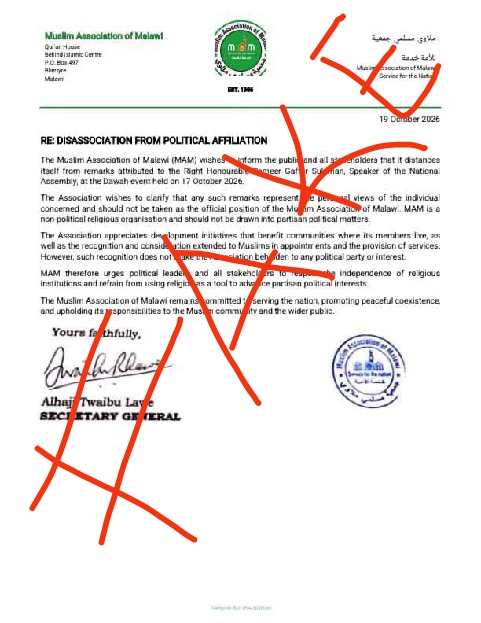
MAM Letter on Sameer Suleman Declared Fake
By Suleman Chitera, MFN ReporterMalawi Freedom Network | October 19, 2026 The Muslim Association of Malawi…
Mwaungulu: Parliament can investigate corruption, but cannot determine guilt
By MFN ReporterDate: 18 October 2026 Retired Supreme Court Judge Justice Dustain Mwaungulu has drawn a…
You may also like
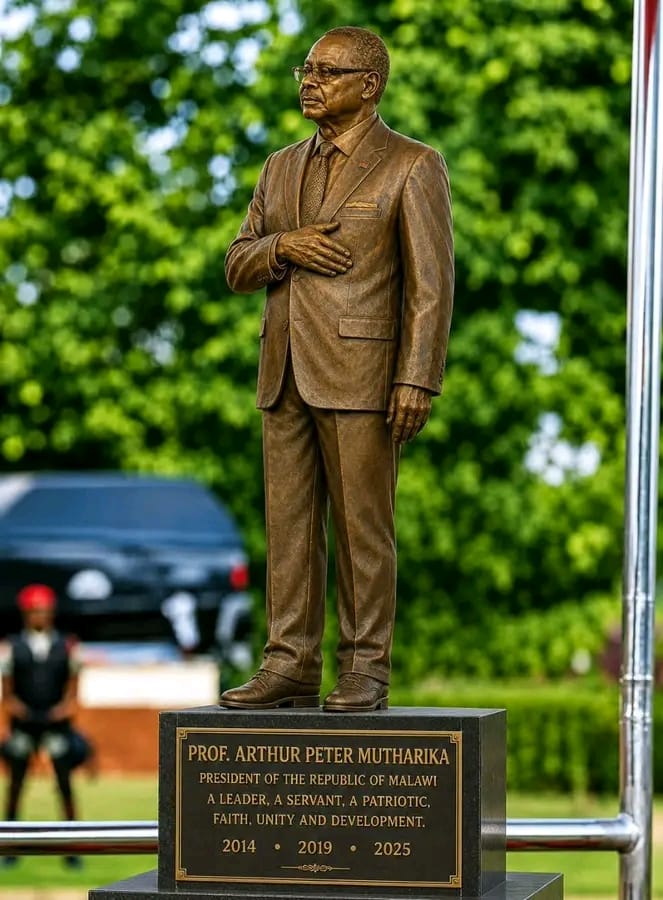
Malawians Call for Peter Mutharika Statues to Honour His Leadership and Achievements
By Suleman Chitera, MFN Reporter Calls are reportedly emerging from citizens for the government to consider…
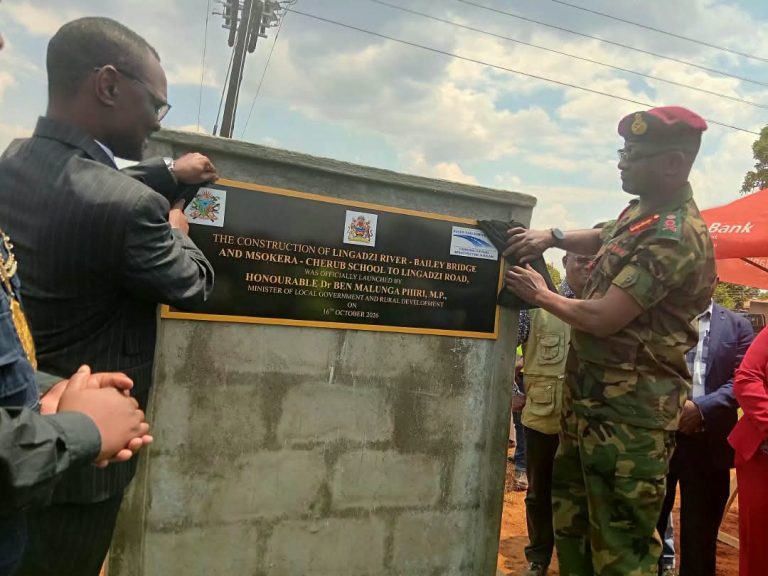
BREAKING NEWS: Ben Phiri Launches Construction of Lingadzi River Bridge in Lilongwe
By Suleman Chitera | Malawi Freedom Network (MFN) LILONGWE — Minister of Local Government and Rural…
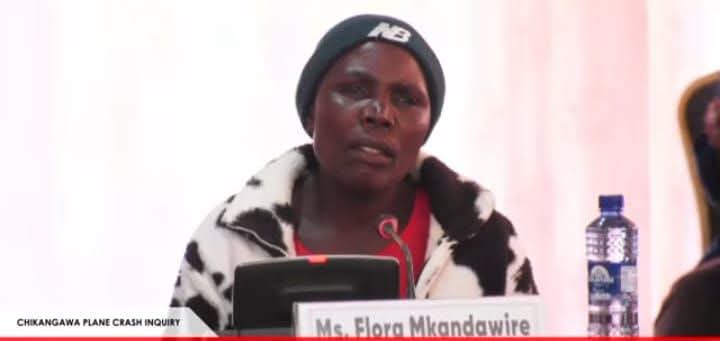
“Two soldiers chased me away” — Nthungwa woman’s bombshell testimony rocks Chilima plane crash inquiry
Reported By Kenneth Bwanali LILONGWE — A fresh eyewitness account has added another dramatic layer to…

Amaryllis report: parliament flags serious governance failures in K128.7BN hotel deal
By Suleman Chitera10 September 2026 A Parliamentary investigation into the purchase of Amaryllis Hotel by the…
Mwanamvekha Calls for Business-Friendly Policies to Boost Malawi’s Economy
By Suleman Chitera Minister of Finance Joseph Mwanamvekha has called on government to create a favourable…
CCM-PPM Demands NOCMA Board Dissolution Over K700 Million Transfer
By Suleman Chitera The Concerned Citizens of Malawi – People Power Movement (CCM-PPM) has called for…