 Malawi Freedom Network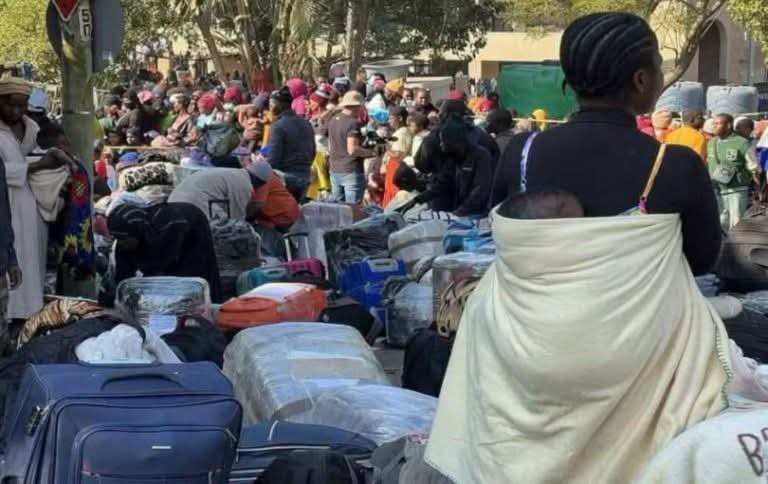
By Malawi Freedom Network Reporter
JOHANNESBURG/LILONGWE — South Africa has formally asked Malawi, Nigeria and Ethiopia to reimburse the costs incurred in repatriating their nationals amid a major crackdown on undocumented migration and a wave of anti-foreigner tensions that has triggered the return of tens of thousands of African migrants.
The South African Department of Home Affairs says the repatriation operation has cost the government almost R293 million, with officials telling Parliament that the expenditure was largely unplanned and has placed significant pressure on the department’s budget.
South Africa’s Department of Home Affairs Director-General Tommy Makhode told the Portfolio Committee on Home Affairs that the government had written to the three countries through the Department of International Relations and Cooperation (DIRCO), asking them to reimburse the costs associated with the repatriation of their citizens.
“We have written to the government of Malawi and, of course, the embassies of Nigeria and Ethiopia requesting reimbursements of this cost through DIRCO,” Makhode told lawmakers, according to South African media reports.
The request comes at a sensitive time for relations between South Africa and countries whose nationals have been affected by renewed anti-immigration protests, threats and violence.
Why South Africa wants the money back
According to the South African government, the large-scale repatriation operation was not included in its original budget.
The nearly R293 million was spent on a range of activities linked to the movement and temporary accommodation of migrants, including transportation, repatriation facilities and additional staffing costs.
Makhode described the expenditure as an “unfunded mandate”, saying Home Affairs and other government departments involved in the operation had not budgeted for the scale of the repatriation exercise.
The department has reportedly spent more than five times its annual allocation for deportations.
Transportation has emerged as one of the biggest expenses, with buses being used to move migrants to repatriation facilities and onward to their countries of origin. A temporary repatriation centre established at Musina also required substantial public expenditure.
More than 82,000 people processed
South Africa says the scale of the operation has been unprecedented.
By 6 August 2026, at least 82,875 foreign nationals had been processed at repatriation centres, according to figures presented by Home Affairs. The figure does not include some people repatriated before 30 June or those processed directly by the Border Management Authority.
The broader number of people who have left South Africa is contested.
Figures from South African authorities indicate that more than 80,000 people have either been deported or voluntarily repatriated, while figures provided by governments in migrants’ countries of origin have placed the number of departures considerably higher, at around 178,000.
Malawi has been among the countries most affected.
Recent reporting has indicated that more than 56,000 Malawians have returned from South Africa in recent months, although the exact number depends on whether voluntary returns, government-assisted repatriations and deportations are counted separately.
Malawi launches its own repatriation effort
The reimbursement request comes as Malawi itself has been funding the voluntary return of Malawians affected by violence and xenophobic tensions in South Africa.
The Malawi Government’s repatriation programme was aimed at citizens who voluntarily requested assistance to return home after facing insecurity and difficult conditions in parts of South Africa.
Malawi’s authorities have described the exercise as a response to the situation facing vulnerable citizens rather than a programme targeting undocumented migrants.
The government-funded phase of the operation concluded on 12 August 2026, according to information released by Malawi’s disaster management authorities.
This creates an important distinction in the emerging dispute: South Africa is seeking reimbursement for costs incurred by its own government during the wider repatriation and deportation operation, while Malawi has separately incurred costs assisting its citizens to return home.
The issue goes beyond money
The R293 million bill is likely to become part of a much wider diplomatic discussion between South Africa and affected African governments.
The recent migration crisis has been accompanied by renewed anti-foreigner protests and attacks, with anti-immigration groups accusing undocumented migrants of contributing to unemployment, crime and pressure on public services.
Foreign governments and migrant-support organisations, however, have raised concerns about the safety of their citizens and the treatment of migrants in South Africa.
South African authorities have intensified immigration enforcement, while the Border Management Authority and police have continued operations targeting undocumented migration.
The government has also faced pressure over the cost of the crackdown.
According to South African officials, thousands of undocumented people have been arrested, while more than 16,000 people were deported between April and July through the Lindela Repatriation Centre.
Will Malawi pay South Africa?
For now, there is no indication that Malawi has agreed to reimburse South Africa.
The South African government has requested reimbursement and is waiting for responses from Malawi, Nigeria and Ethiopia.
It is also not yet clear how South Africa intends to divide the R293 million among the three countries, or whether each government would be expected to cover costs according to the number of its citizens repatriated.
That distinction could become important in any negotiations between the governments.
Malawi has not, based on the reports reviewed for this story, publicly committed to paying the amount demanded by South Africa.
A new diplomatic test for Malawi
For Malawi, the issue could present another diplomatic and financial challenge at a time when the government is already dealing with the consequences of the South African migration crisis.
Thousands of Malawians have returned from South Africa, while Malawi has had to mobilise resources to support citizens affected by violence and insecurity.
South Africa’s reimbursement request therefore raises several questions that remain unanswered.
How much of the R293 million relates specifically to Malawian nationals?
Will Malawi accept responsibility for any of the costs?
Will the two governments negotiate a settlement?
And perhaps most importantly, who should bear the financial responsibility when undocumented migrants are repatriated during a sudden humanitarian and security crisis?
Those questions are likely to dominate discussions between Lilongwe and Pretoria as both countries assess the political and financial consequences of the latest migration crisis.
What we know so far
- Amount South Africa says it spent: almost R293 million.
- Countries asked to reimburse: Malawi, Nigeria and Ethiopia.
- People processed at South African repatriation centres by 6 August: 82,875.
- Main expenses: transportation, temporary repatriation facilities, staffing and related operational costs.
- Malawi’s position: South Africa has requested reimbursement, but there is no confirmed agreement by Malawi to pay.
- Next step: South Africa is awaiting responses from the affected governments.
Malawi Freedom Network will continue to follow the issue and update this story if the Malawi Government responds to South Africa’s reimbursement request.
Read also: Government Shuts Down Salima Sugar Company Over Financial and Management Concerns
Read also: North-Police Team Lead NRFA Premier Division
Read also: Dr. George Chaima Calls for Law to Take Its Course on Youths Who Harassed Citizens