By Burnett Munthali
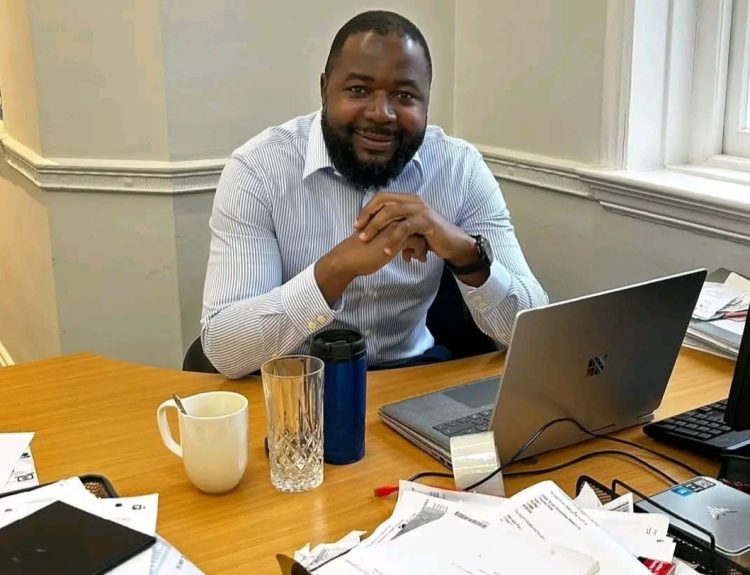
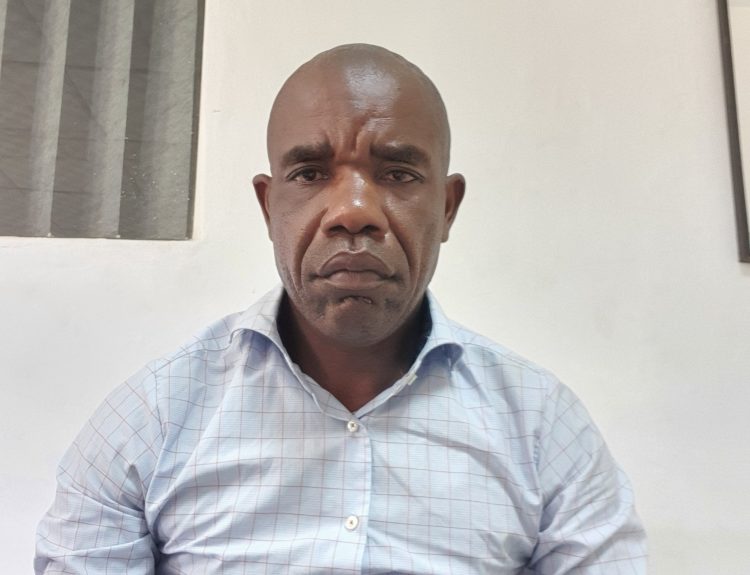
In the ongoing debate about who holds the title of the most corrupt leader in Malawi, Dr. Thoko Nkhoma, an economist and policy analyst based in Port Elizabeth, South Africa, offers a critical analysis of the leadership legacies of Lazarus Chakwera and Peter Mutharika. Nkhoma’s commentary, inspired by a recent article published by Nyasa Times, highlights corruption’s destructive impact on Malawi’s socio-economic fabric and delves into why Chakwera’s administration emerges as a prime example of systemic corruption.

Dr. Nkhoma argues that President Lazarus Chakwera’s tenure has been marred by unprecedented corruption scandals, undermining his anti-corruption rhetoric. The most notable cases include the NOCMA oil scandal,
The National Oil Company of Malawi (NOCMA) scandal involved the fraudulent mismanagement of K1.5 trillion, dwarfing the infamous Cashgate scandal, where K24 billion was looted. Under Chakwera’s administration, procurement rules were bypassed to direct funds to foreign firms that failed to deliver oil supplies. Further investigations revealed fraudulent invoicing of K2.3 billion for undelivered fuel, with the funds allegedly channeled to individuals connected to Chakwera’s inner circle. This scandal exposed the administration’s calculated misuse of resources, tarnishing its credibility.
Known as the “Butchery Scandal,” this case revealed blatant corruption in fertilizer procurement. A contract worth billions of kwacha was awarded to Barkaat Foods, a UK-based company specializing in meat products with no expertise in agriculture. Advance payments were made, but no fertilizer was delivered. Evidence pointed to deliberate manipulation of the contract, with funds siphoned off to private accounts linked to officials in Chakwera’s administration. Chakwera’s silence on the matter has been interpreted as complicity, raising questions about his commitment to transparency.
Beyond corruption, Chakwera’s administration has been marked by economic mismanagement. Inflation has skyrocketed to 25.9%, forex reserves have dwindled, and public debt has reached K16.3 trillion. Over 70% of Malawians now live below the poverty line, and unemployment has surged. Dr. Nkhoma attributes this economic decline to systemic corruption and poor governance, arguing that funds intended for development have been diverted to private interests.
Chakwera’s anti-corruption rhetoric has proven hollow, as his administration has weaponized the Anti-Corruption Bureau (ACB) for political gain. While opposition figures face relentless scrutiny, officials within his administration enjoy immunity. This selective justice undermines public trust in institutions tasked with ensuring accountability.
Dr. Nkhoma challenges the perception of Peter Mutharika as Malawi’s most corrupt leader. Despite numerous allegations during his presidency, no concrete legal action has been taken against him. Nkhoma suggests that these allegations may have been politically motivated, noting that Chakwera’s government controls key institutions yet has failed to prosecute Mutharika. This raises doubts about the credibility of the claims against the former president.
The question of who is the most corrupt leader in Malawi transcends political debates. It is a matter of national survival, as corruption continues to erode public trust, deepen poverty, and hinder development. Dr. Nkhoma calls for structural reforms and genuine accountability to restore Malawi’s institutions and pave the way for progress.
In his analysis, Dr. Nkhoma concludes that President Lazarus Chakwera’s leadership has set a dangerous precedent for corruption in Malawi. From the NOCMA scandal to economic mismanagement, Chakwera’s tenure has been characterized by systemic corruption and selective justice. While Mutharika faced allegations, the lack of evidence against him underscores the need for unbiased assessments. Malawians deserve leaders who prioritize accountability and transparency. The road to national recovery begins with confronting uncomfortable truths and demanding change.
Dr. Thoko Nkhoma can be reached at thoko.nkhoma@gmail.com.
- Iran to Stay in Mexico During 2026 FIFA World Cup After US Refusal

- Eid Ul-Adha Special- Malawi Freedom Network

- Questions Mount Over Alleged Use of Nkhotakota District Council Resources in Court Case Involving Chairperson Fitton Khofi

- BREAKING: MEC Chief Elections Officer Andrew Mpesi Resigns Amid Secrecy Over Exit

- Malawi Pushes for Climate and Agricultural Financing at AfDB Meetings to Drive ATM Strategy

- Malawi Government Commits More Resources to Revamp Water and Sanitation Infrastructure

- CDEDI Demands Fresh Probe Into Chilima Plane Crash, Accuses Previous Investigators of Cover-Up

- Moza Sweet Bakery Workers Revolt Over Alleged Salary Deductions, Abuse and Unfair Dismissals in Ntcheu

- IRC Orders FAM to Pay Patrick Mabedi MK53.6 Million for Unfair Dismissal

- Limpopo FM advises activists to speak of themselves not others

- Why Is Malawi Deploying Over 100 Traffic Police Officers on One Road While Police Stations Face Staff Shortages?

- Malawi Freedom Network Opens Doors for Article Submissions From Writers Across Malawi

MALAWI
FREEDOM
NETWORK
United for Freedom, Justice and a Better Malawi
Airtel Money
0994095804
Mpamba
0881428759
FDH Bank
Acc No:
1400000670385NBS Bank
Acc No:
10118988Thank you for your support!