
 Malawi Freedom Network
By Suleman Chitera
Corruption continues to grow in Malawi, not because anti-graft agencies are inactive, but because the judiciary itself has become a part of the system that hinders the fight against corruption. Many Malawians now believe that corruption cannot end as long as courts continue to operate the way they do today.
There is no denying that the Anti-Corruption Bureau (ACB) often does its job well. The ACB investigates, arrests, and prosecutes people who steal public funds—money that could otherwise be used to develop the country, buy medicines for hospitals, improve schools, and help the poor. But the problem starts when these cases reach the Malawi judiciary.
All too often, individuals caught in major corruption cases are released on bail easily, given the chance to return home and continue misappropriating stolen funds. Many Malawians ask the same troubling question: Do judges or magistrates benefit from these releases? Even without definitive proof, these actions are enough to make the public seriously doubt the integrity of the courts.
This is why much of Malawi’s corruption stems from the courts themselves. If courts were serious about corruption—denying unnecessary bail, ensuring cases are handled swiftly, and imposing strict penalties—Malawi would be much further ahead in the fight against corruption.
Sadly, the judiciary appears overly harsh on the poor. A poor person caught in a minor offense, such as stealing a chicken or a small item to survive, receives no bail and may face harsh sentences—10, 15, or even 20 years in prison. Meanwhile, wealthy or politically connected individuals involved in massive corruption often face no consequences.
This has made the judiciary seem like it serves the rich and powerful, not justice. Such a system cannot help the country fight corruption. Instead, it widens the gap between the wealthy and the poor and erodes public trust in the law.
If Malawi wants a future free from corruption, the judiciary must be reformed urgently and comprehensively. This should include:
- Reviewing how bail is granted in corruption cases
- Ensuring corruption cases are handled swiftly
- Imposing fair and strict penalties regardless of a person’s wealth or influence
- Increasing accountability and oversight within the court system
Without judicial reform, Malawi cannot end corruption. The ACB may do its work well, but if the courts continue as they are, corruption will persist, development will stall, and the poor will continue to suffer. Justice must be equal for everyone—otherwise, the country cannot progress.
- Phanga Welding boys face court battle as Judge rules they have A case to answer
 Share Listen to this article By Suleman Chitera, MFN ReporterOctober 27, 2026 The four individuals popularly known as the “Phanga welding Boys” must defend themselves in court over allegations of assaulting civil servants during demonstrations at Lilongwe’s Botanic Gardens last year. The Senior Resident Magistrate’s Court in Lilongwe has ruled that the prosecution presented sufficient…
 - DPP May have flaws, but MCP can never be A solution-Boniface Joseph
 Share Listen to this article By Suleman Chitera, MFN ReporterBlantyre, October 27, 2026 Governance expert Bonface Joseph has launched a blistering attack on Malawi’s political leadership, warning that the country cannot escape its economic crisis through recycled politicians, internal power struggles and promises of reform that fail to translate into better lives for ordinary citizens.…
 - Namalomba Warns Malawians Over Rising Cybersecurity Threats
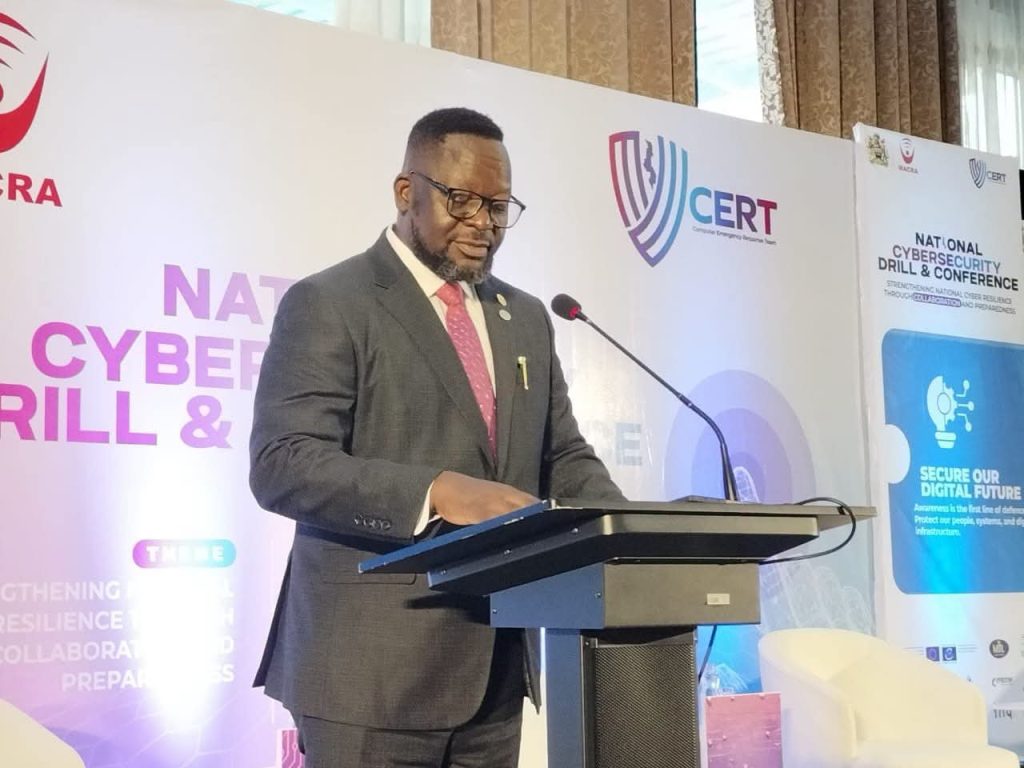 Share Listen to this article By Suleman Chitera, MFN Reporter | October 27, 2026 Minister of Information and Communications Technology Shadric Namalomba has warned Malawians about growing cybersecurity threats, citing the hacking of WhatsApp accounts as a sign of increasing risks in the digital space. Speaking on Tuesday at the opening of a four-day national…
 - TNM Injects K20 Million into Malawi’s Cybersecurity Preparedness
 Share Listen to this article By Suleman Chitera, MFN Reporter | October 27, 2026 Telecommunications company TNM has donated K20 million towards Malawi’s cybersecurity preparedness ahead of the 2026 National Cybersecurity Conference and Drill scheduled for October 27. The sponsorship was handed over to the Malawi Communications Regulatory Authority (MACRA) to support efforts to strengthen…
 - People who applied for Israel recruitment demands transparency from government
 Share Listen to this article By Vincent Gunde People who applied for Israel recruitment – working in Israel to build a better future are demanding transparency from President Professor Arthur Peter Mutharika and the DPP over the silence on the recruitment programme 365 days after the DPP was ushered into government in September, 2025. In…