 Suleman Chitera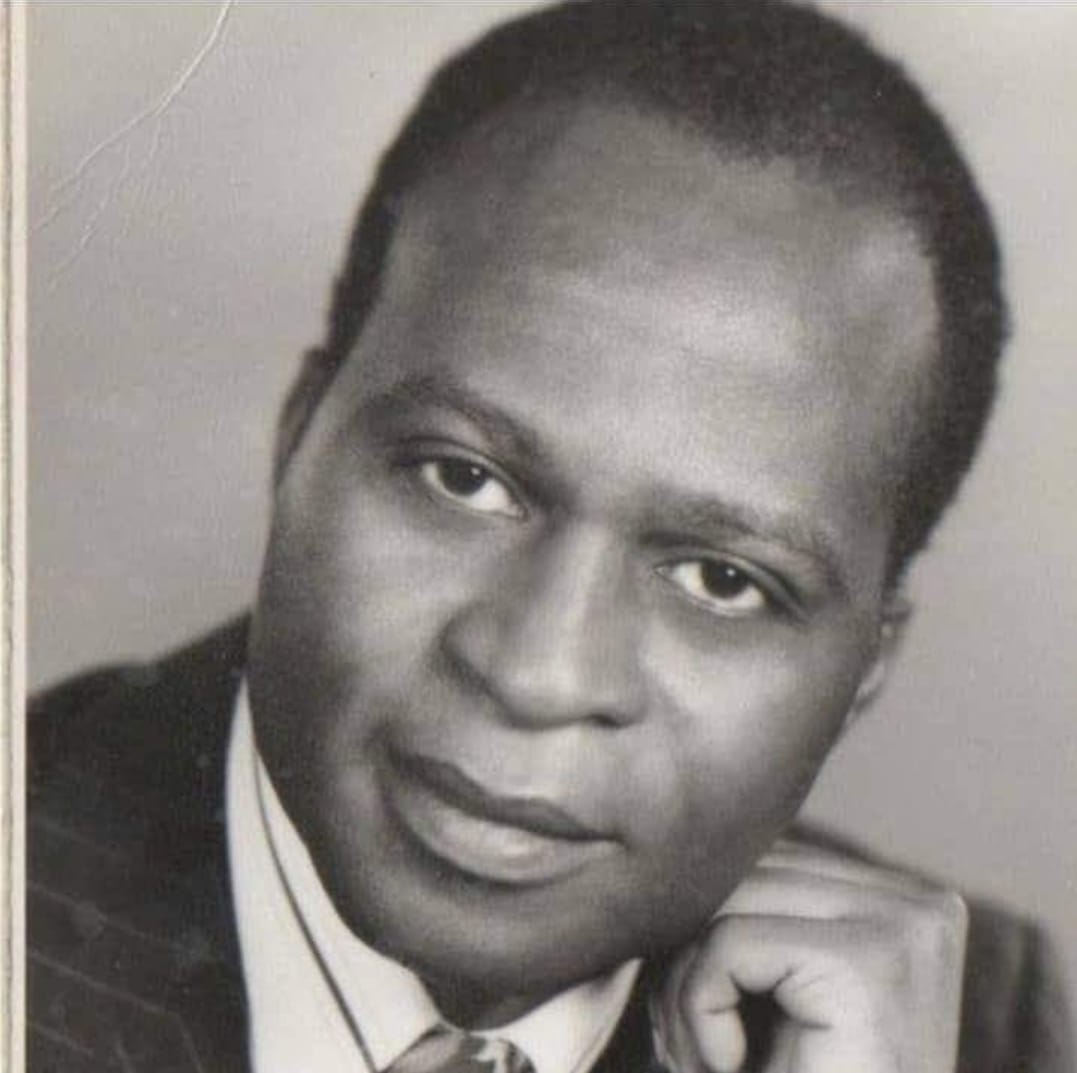
By Suleman Chitera
Aaron Gadama was a Malawian politician whose life and career became closely associated with one of the most controversial and tragic political incidents in Malawi’s history. His story is deeply rooted in the political transformation of Malawi from colonial rule to independence and later into a one-party state under President Hastings Kamuzu Banda.On Chilima’s Plane Crash and the Commission of Inquiry Report: Interview with Twink Jones Gadama
Early Life and Background
Aaron Gadama was born in Malawi during a period of major political change, when the country was transitioning from British colonial administration toward independence. Although detailed historical records about his exact date of birth, family background, and early childhood are limited, it is widely understood that he came from a modest upbringing.
From an early age, Gadama showed signs of intelligence, discipline, and a strong interest in education. He was known as a focused student with good behavior and leadership potential. These early qualities helped shape his ambition and laid the foundation for his future involvement in public service and politics.
Education and Early Leadership Qualities
As he progressed through his education, Aaron Gadama distinguished himself academically and socially. He demonstrated natural leadership skills and the ability to work with others effectively. His academic performance and personality earned him respect among peers and elders.Chitera says Mutharika is leading Malawi from “Bagamoyo” to “Canaan”
These traits eventually opened opportunities for him to engage in leadership roles, particularly as Malawi moved into a new political era following independence in 1964. Like many educated Malawians of his generation, he became increasingly involved in national development and governance.
Entry into Politics
Aaron Gadama officially entered politics through the Malawi Congress Party (MCP), the ruling party during the one-party rule of President Hastings Kamuzu Banda. At the time, Malawi operated under a highly centralized political system in which loyalty to the party and leadership was essential for political survival and advancement.MCP–UTM Memorial Row Over Saulos Chilima Sparks Political Backlash as Analyst Warns of Ill-Timed Dispute
Gadama quickly gained recognition within the party for being intelligent, dependable, and politically loyal. His ability to navigate the complex political environment of the MCP allowed him to rise steadily through government ranks.
Rise to Ministerial Position
Due to his growing influence and reputation, Aaron Gadama was eventually appointed as Minister of the Central Region. This was a significant and powerful government position, as it placed him in charge of overseeing administration and governance across one of Malawi’s most important regions.
Dont skip this Israeli National Nir Gess Under Fire Over Misleading Claims on Malawian Children’s Heart Surgeries
In this role, he was responsible for coordinating government policies, supervising local administration, and ensuring that national directives were implemented effectively. His position also brought him closer to the inner circle of national leadership, increasing his political visibility and influence.
Political Alliances and Rising Tensions
During his time in government, Aaron Gadama formed close working relationships with several other senior political figures, including Dick Matenje, Twaibu Sangala, and David Chiwanga. Together, these individuals were often viewed as a powerful informal group within the government structure.
Their growing influence, however, began to create suspicion among other political actors. In the highly controlled political environment of the MCP, where power was centralized and closely monitored, any perceived political grouping or rising influence outside the direct control of leadership was often treated with caution.
Take note don’t skip How Malawi’s Gold Is Allegedly Flowing Into Israel Through Smuggling Networks
As a result, tensions began to build quietly within the political establishment. Although there was no public confrontation, the atmosphere was marked by mistrust, political surveillance, and competition for influence.
The Mwanza Incident (1983)
In 1983, Aaron Gadama and his colleagues were assigned an official government mission to travel to northern Malawi. They departed from Blantyre together in a vehicle as part of this assignment.
However, they never reached their destination. Near Mwanza District, they disappeared under mysterious circumstances. Shortly afterward, the government announced that their vehicle had been involved in a fatal road accident, and that all occupants had died instantly.APM Leadership Revitalising the Economy, Says Mwanamvekha
This official explanation was met with widespread skepticism both at the time and in later years. Many people questioned the credibility of the accident report, pointing to inconsistencies and concerns surrounding the condition of the bodies and the lack of clear evidence supporting a simple traffic accident.
Controversy and Public Suspicion
The incident quickly became controversial. Many observers and members of the public believed that the deaths of Aaron Gadama and his colleagues were not accidental but rather politically motivated.
Allegations emerged suggesting that the victims may have been assaulted before their deaths. The absence of transparent investigations at the time further fueled speculation that the incident involved an internal political elimination rather than a road accident.Malawi Freedom Network Crowns Ben Phiri Minister of the Month
This event later became widely known as the Mwanza Four Incident, referring to the four senior government officials who died under these mysterious circumstances.
Political Context and Significance
The Mwanza Four Incident is often discussed in the broader context of Malawi’s one-party era under Hastings Kamuzu Banda. During this period, political power was highly centralized, and dissent or perceived opposition within government circles could result in severe consequences.
The deaths of Aaron Gadama and his colleagues are frequently cited as an example of the intense political pressure and fear that characterized that era. The incident remains one of the most debated and sensitive episodes in Malawi’s political history.
Post-1994 Investigations and Legacy
Following Malawi’s transition to multiparty democracy in 1994, efforts were made to investigate past political abuses, including the Mwanza Four Incident. These investigations suggested that the deaths were not the result of a simple accident, but rather involved political circumstances that contributed to their deaths.
However, despite these findings, full justice has remained elusive. No comprehensive legal accountability was achieved, and many aspects of the case remain unresolved. This has left the incident as an open wound in Malawi’s political memory.Growing Frustration as Malawians Reject Chakwera MCP Comeback”
Conclusion
Aaron Gadama’s life represents both political achievement and tragic loss. Rising from a modest background to a powerful ministerial position, he was a respected figure within Malawi’s political system. However, his promising career was abruptly cut short in 1983 under mysterious and controversial circumstances.Biography Of Dr Thomson Mpinganjira
Today, he is remembered as part of the Mwanza Four and is seen as a symbol of the dangers of political intolerance during Malawi’s one-party era. His story continues to raise important questions about justice, accountability, and the history of governance in Malawi.
Read also: Truck Drivers Cancel Strike Plans
Read also: MP Nomale Arrested His Vehicle Hits and Kills 3-year-old Girl
Read also: Boris Johnson’s 50 biggest scandals, feuds and policies in first 1,000 days as Prime Minister