
 Suleman Chitera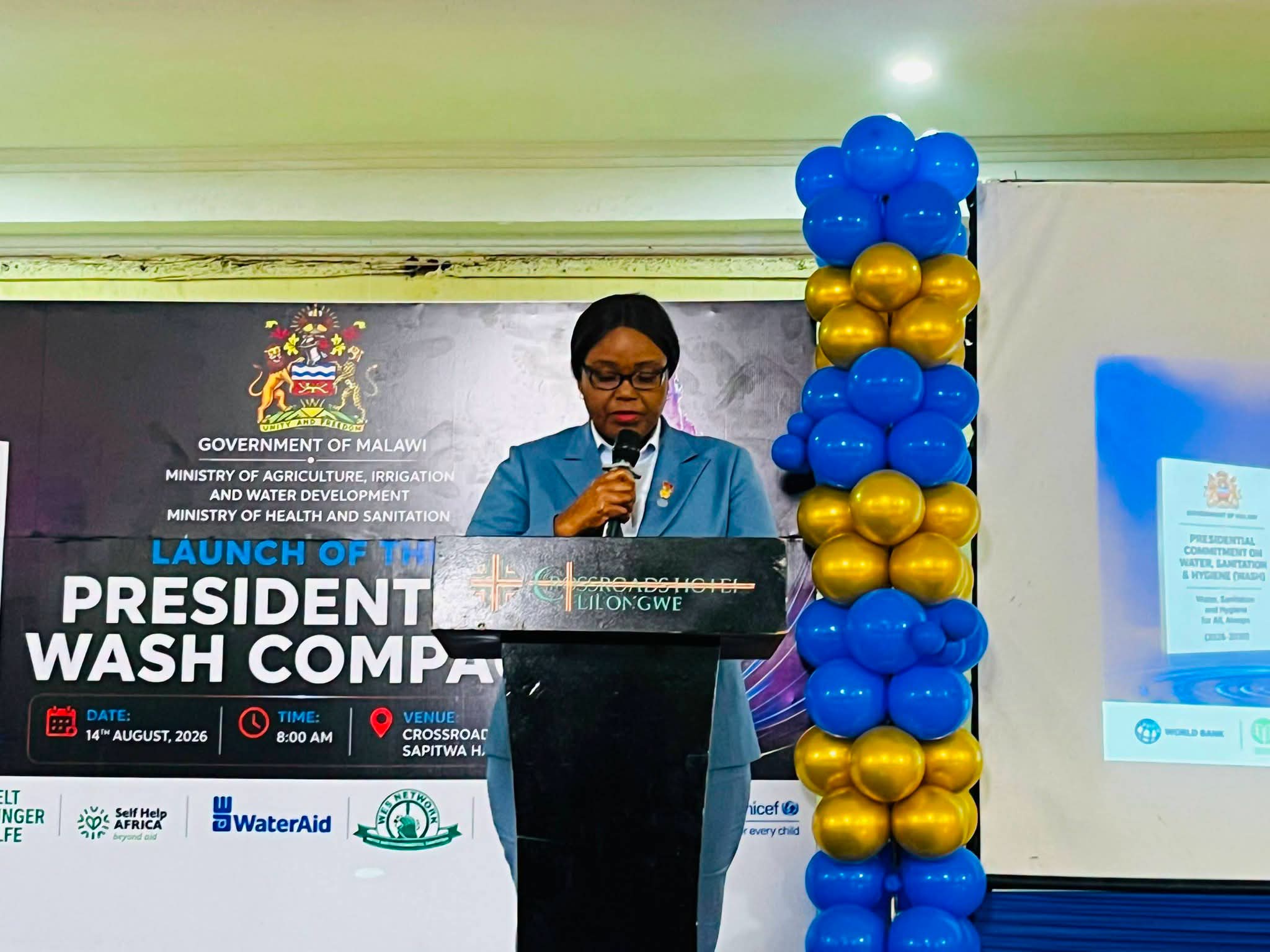
By Suleman Chitera
Malawi has set its sights on a major expansion of access to safe water and sanitation by 2030, with government promising to significantly increase investment and bring different players under one national Water, Sanitation and Hygiene (WASH) programme.
The ambition was unveiled on Friday in Lilongwe during the launch of the Presidential Compact on WASH, a framework designed to accelerate progress in a sector that continues to face infrastructure, financing and coordination challenges.
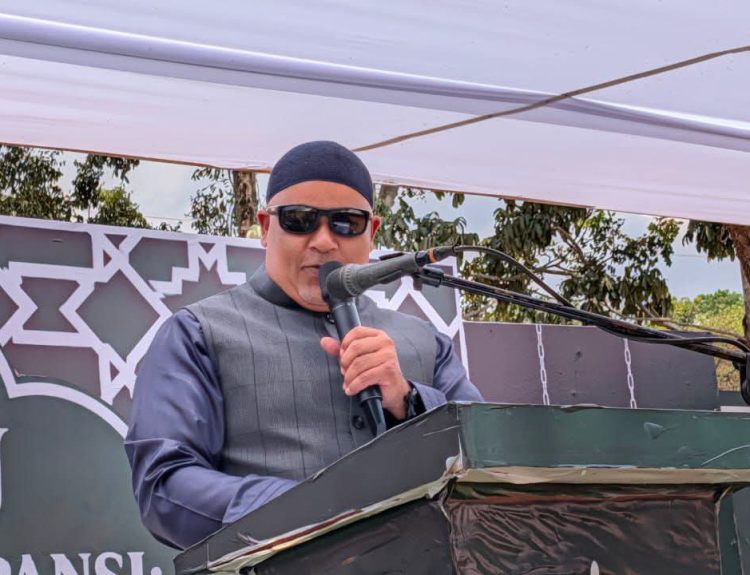
Minister of Agriculture, Irrigation and Water Development Roza Fatch Mbilizi said government was confident that the country could meet the targets if public institutions, the private sector, development partners and communities worked towards the same objectives.
Among the targets is increasing access to safe water to 85 percent in rural areas and 100 percent in urban areas by 2030.
“We are very optimistic that we will achieve this while working hand in hand with the Ministry of Health and other stakeholders,” Mbilizi said.
She said the compact reflects President Peter Mutharika’s commitment to tackling persistent water, sanitation and hygiene challenges and provides a framework for coordinating efforts that have previously been spread across different institutions and programmes.
According to Mbilizi, government plans to concentrate on expanding WASH infrastructure, mobilising resources and strengthening coordination among implementing agencies.
The government also intends to increase its financial contribution to the WASH sector from 1.2 percent to five percent, while seeking additional funding from the private sector and development partners.
Mbilizi said the objective was to create a more coordinated approach in which government agencies, businesses and non-profit organisations would operate under a common WASH agenda rather than pursuing fragmented interventions.
The sanitation component of the compact carries its own ambitious target.
Deputy Minister of Health and Sanitation Charles Chilambula said Malawi wants to raise access to basic sanitation from 40 percent in 2026 to 65 percent by 2030.
He said achieving the target would require better planning, increased investment, appropriate technologies and stronger collaboration between institutions.
Chilambula also pointed to Executive Order Number 2 of 2026, which requires the provision and maintenance of sanitation and waste disposal facilities in public places, schools and workplaces.
He said the Ministry of Health and Sanitation would work with government institutions, local authorities and development partners to turn the order into practical interventions that can be measured through improvements on the ground.
For communities, however, the success of the compact will ultimately be judged less by policy documents and more by whether people can actually access clean water and decent sanitation where they live, learn and receive healthcare.
Water and Environmental Sanitation Network (WESN) Executive Director Safari Mbewe welcomed the initiative, saying it could provide renewed momentum to efforts aimed at improving WASH services in households, schools and hospitals.
But Mbewe cautioned that ambitious targets would require sustained financing and responsible management of resources.
He called for increased domestic financing, transparency and accountability in the use of WASH funds, while urging development partners to increase their support for projects in the sector.
Mbewe also placed emphasis on young people, calling on youths to become active participants in community mobilisation and public awareness efforts.
For Malawi, the 2030 deadline therefore represents more than a government target. It is a test of whether increased financing, stronger coordination and community participation can translate national commitments into functioning water points, usable sanitation facilities and healthier communities.
The Presidential Compact on WASH now moves the focus from announcing targets to delivering them. How effectively government and its partners implement the commitments in the coming years will determine whether the country can turn its 2030 WASH ambitions into measurable improvements in people’s daily lives.
Read more vibrant business news Business Section by FDH Bank plc, Grow with us