 Malawi Freedom Network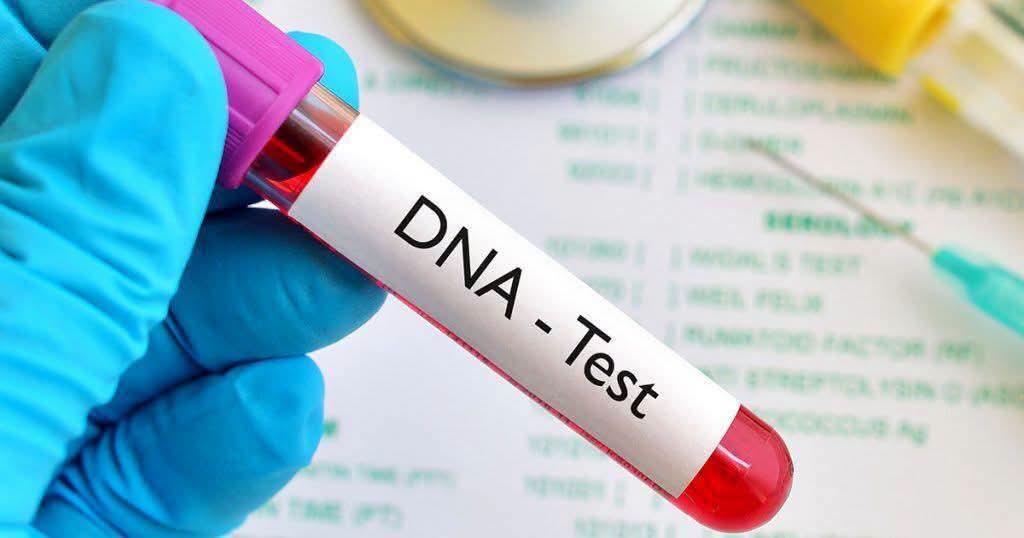
By Malawi Freedom Network
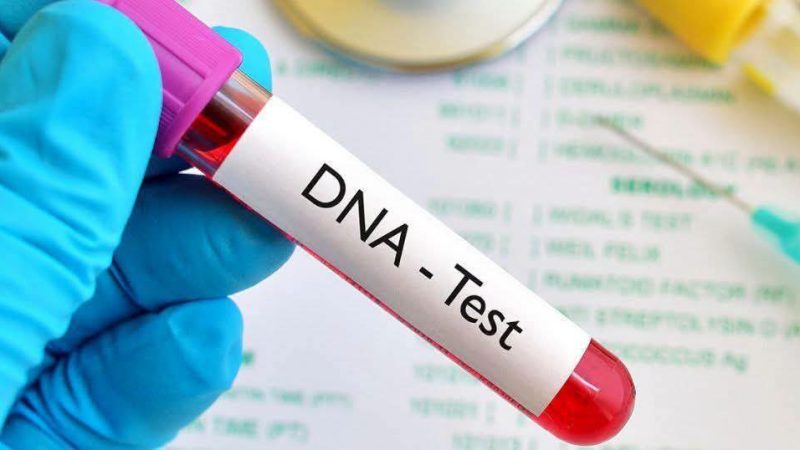
DNA testing is generating growing interest and raising difficult questions among families, as paternity tests provide a scientific way of determining the biological relationship between a child and a man believed to be the father.
For years, paternity has remained a sensitive issue in many families. Today, however, DNA technology provides a reliable scientific method of addressing doubts about biological fatherhood.
A DNA test, also known as a paternity test, compares the DNA of a child with that of a man who is believed to be the biological father. The results can establish whether a biological relationship exists between them.
Is the Child You Are Raising Biologically Yours?
It is a difficult question that no father would want to face.
In some cases, doubts about paternity may arise because of relationship problems, mistrust or questions surrounding a child’s biological origins. Rather than relying on rumours or speculation, a DNA test can provide scientific evidence.
However, claims that many men in Malawi are raising children who are not biologically theirs should not be presented as fact without credible research to support them.
This distinction is important because allegations about someone’s biological parentage can have serious consequences for individuals, families and children.
DNA Results Can Change a Family’s Life
DNA results can have a profound impact on a family.
If a test confirms paternity, it may resolve doubts that have troubled a family for years.
But if the results show that a man is not the biological father, the revelation can potentially create serious emotional and family difficulties.
For this reason, people should exercise caution before conducting a test and should carefully consider how the results could affect the child and other family members.
Why Are People Seeking DNA Tests?
People undergo DNA testing for different reasons.
Some want to establish paternity because of doubts or uncertainty. Others require DNA evidence for inheritance matters, while some tests are conducted in connection with legal proceedings.
Anyone considering a paternity test should seek appropriate professional advice and use a reputable testing laboratory.
Don’t Believe Everything You See on Social Media
DNA-related stories are increasingly circulating on Facebook, TikTok, WhatsApp and other social media platforms.
But not everything shared online is accurate.
Claims suggesting that “most men” or “large numbers of men” are raising children who are not biologically theirs should be treated with caution unless the source and methodology of the research can be independently verified.
Evidence from individual DNA tests cannot be used to conclude that the same situation is widespread across Malawi.
The Truth May Be in the DNA
DNA testing has made it possible to answer questions about biological relationships that were once extremely difficult to resolve.
But paternity is about more than science. It involves children, families, love, trust and people’s lives.
Anyone considering a DNA test should therefore carefully consider the possible consequences and ensure that the process is handled responsibly, particularly where a child is involved.
Malawi Freedom Network will continue to follow stories involving science, families and society while prioritising verified information and credible evidence.
Read also: Kalindo praises Bishop Mtumbuka for speaking justice
Read also: Malawians from the North welcome APM at Katoto Freedom Park in Mzuzu
Read also: Lawyer and Human Rights Advocate Alexius Kamangila to feature in Zodiak Exclusive tonight