
 By Burnett Munthali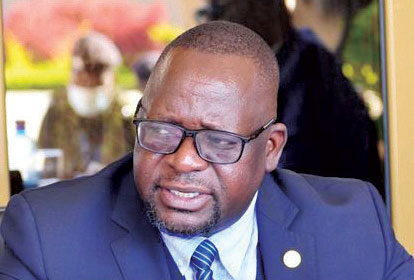
By Burnett Munthali
In response to swirling allegations of interference with academic research, the Democratic Progressive Party (DPP) has firmly denied any involvement in tampering with data produced by a respected research institute. The party’s spokesperson, Shadric Namalomba, dismissed the claims as “malicious and baseless.”
In an exclusive interview on Saturday, Namalomba set the record straight: “We don’t have any reason to interfere with the work and findings of a credible research institute. No one ever contacted me or any senior member of the party,” he stated, aiming to quash the rumors that have recently surfaced.
- Mfune calls Area 25B residents to register students for bursary scheme
- Malawi Gold Trading Centres Expected to Boost Forex and Create Jobs
- Rhodrick Junaid Kalumpha Celebrates Malawi’s National Pride and Identity
- Ben Phiri Appeals for Patience as Malawi Faces Economic Challenges, Forex Shortages
- Why Can’t ADMARC Buy Tarpaulins Directly? Suleman Chitera Questions K3 Billion Deal
The allegations accuse the DPP of attempting to influence findings to shift public opinion, but Namalomba’s response was sharp and pointed. He described the article circulating these claims as “misleading,” suggesting it was a politically motivated attempt to damage the DPP’s credibility.
These allegations emerged following the recent release of a report perceived to be critical of the current administration. The unnamed sources cited in the controversial article suggest that the DPP sought to sway academic opinions in their favor, hinting that they felt threatened by the report’s findings. However, Namalomba’s remarks have cast serious doubt on the credibility of these claims, describing them as nothing more than “a desperate smear campaign.”
Political insiders have noted that the timing of these accusations, just months ahead of the 2025 elections, has raised eyebrows across the political spectrum. As the political environment heats up, there is no shortage of claims and counterclaims, with parties jockeying for position.
This incident underscores the tension that often arises when research institutes release reports with political implications. The role of academic integrity in shaping public perception remains pivotal, especially when political parties find themselves entangled in the narratives the data may suggest.
Meanwhile, Namalomba has called on Malawians to critically assess the information being circulated and to “reject narratives that only serve to divide the public.” The DPP insists that its focus remains on policy issues rather than orchestrating media spin, emphasizing its commitment to a fair democratic process.
As the 2025 elections draw nearer, political rhetoric is likely to intensify, with each party wary of being swept into controversies that could impact public opinion. Namalomba’s denial is the latest in a series of public statements intended to clarify the DPP’s stance on several sensitive issues. Whether this response will successfully quell the rumors remains to be seen, but one thing is clear: the battle for the narrative in Malawi’s political landscape is only beginning.