 Malawi Freedom Network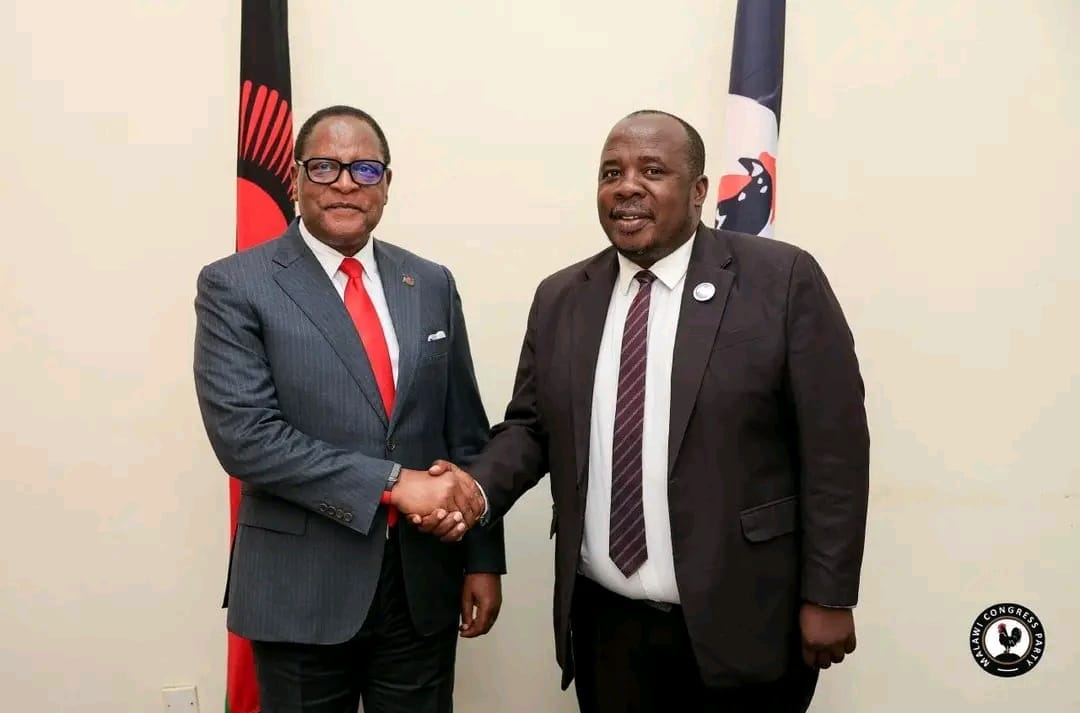
By Malawi Freedom Network
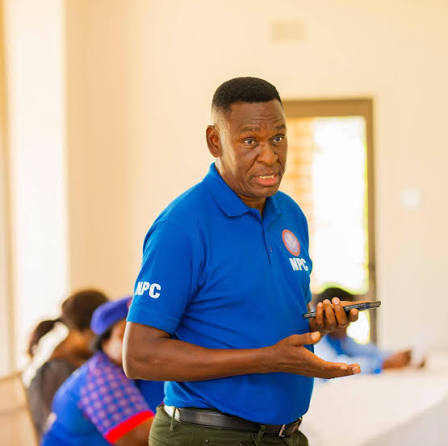
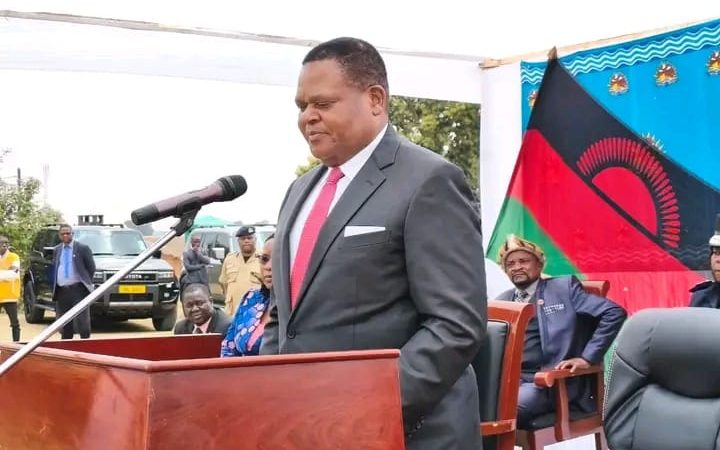
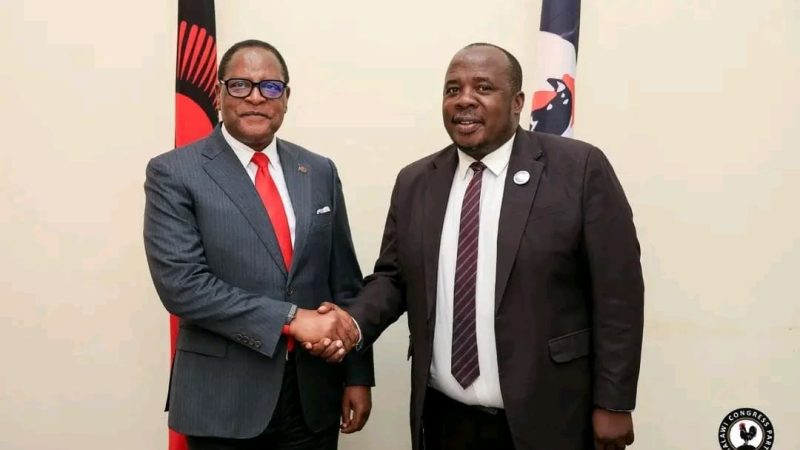
A meeting between former President Lazarus Chakwera and former Vice-President Saulos Chilima? — No. The Chakwera–Chimwendo meeting has reignited a bigger political question within the Malawi Congress Party (MCP): Can the same leadership approach associated by critics with the party’s 2025 electoral defeat deliver a different result in 2030?
While political meetings are normal and can provide an opportunity for reflection, strategy and consultation, the latest engagement is likely to attract scrutiny from MCP supporters and political observers who want to know whether the party is preparing for genuine renewal or simply returning to familiar political formulas.
A “strategic meeting” is not enough
For MCP, the road to 2030 cannot simply be about holding meetings, issuing statements and presenting a united political front.
The more difficult task is confronting the questions that emerged from the 2025 election.
What went wrong?
Where did the party lose touch with voters?
Why did some grassroots supporters become dissatisfied?
And, perhaps most importantly, what needs to change before MCP asks Malawians for their votes again?
These are questions that cannot be answered through political symbolism alone.
The danger of repeating the same formula
Every political party that loses an election faces a choice.
It can defend the old approach, blame circumstances and continue with business as usual — or it can undertake a serious internal review and make difficult changes.
For MCP, critics argue that repeating the same political strategy without addressing the concerns that contributed to the party’s electoral setback could make the road to 2030 even more difficult.
The issue is therefore not whether Chakwera and Chimwendo can meet.
They can.
The bigger question is whether the meeting represents a new political direction or simply a continuation of the old one.
Grassroots voices cannot be ignored
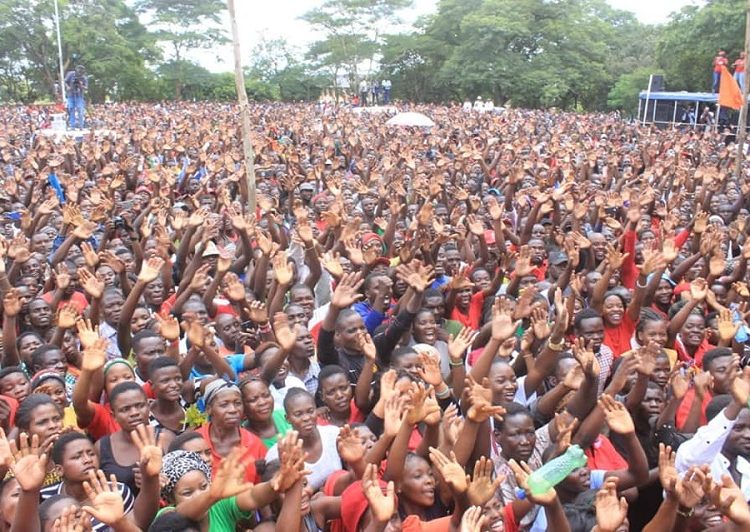
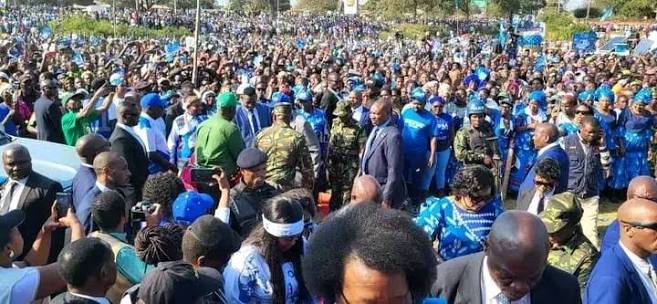
MCP’s strength has historically depended heavily on its grassroots structures.
But grassroots supporters cannot be expected to remain spectators while major decisions about the party’s future are made at the top.
If MCP genuinely wants to rebuild itself for 2030, ordinary members and supporters must have a meaningful voice in that process.
Their concerns, frustrations and expectations matter.
A credible renewal process would require broader consultation and an honest assessment of the party’s performance — including areas where its leadership may have fallen short.
Chakwera’s legacy remains part of the debate
Any discussion about MCP’s future inevitably brings Lazarus Chakwera into the conversation.
His leadership of the party and subsequent presidency are now part of MCP’s political history.
Supporters may point to achievements and defend his record, while critics may argue that his leadership carries responsibility for some of the challenges the party experienced.
Both perspectives are likely to remain part of the debate as MCP considers its future.
The important question is whether the party can examine that record objectively rather than allowing political loyalty to prevent difficult conversations.
Chimwendo faces the same strategic question
Chimwendo, too, remains an important figure in discussions about MCP’s future.
His political influence and experience mean that his role cannot easily be separated from debates about the party’s direction.
But influence also comes with scrutiny.
If the objective is to rebuild MCP for 2030, supporters and observers will want to see whether the party’s current leadership can demonstrate a willingness to embrace new ideas, listen to criticism and consider changes where necessary.
MCP has time to reinvent itself
The good news for MCP is that 2030 is not tomorrow.
The party has time to reflect, reorganise and rebuild.
That process could include strengthening grassroots structures, improving internal communication, broadening consultation, identifying emerging leaders and developing a political message that responds directly to the concerns of Malawians.
But that transformation will require more than meetings.
It will require political courage.
The question MCP cannot escape
The Chakwera–Chimwendo meeting may produce headlines, photographs and political statements.
But the real test will come much later.
Will MCP emerge from this period with a genuinely different strategy, stronger internal structures and renewed confidence among its supporters?
Or will it attempt to fight the 2030 election using the same political formula that critics say failed in 2025?
That is the question the party cannot avoid.
MCP does not necessarily need to abandon its experienced leaders. But if the old strategy did not deliver the desired result, the party must be prepared to examine what needs to change.
Because elections are not won by meetings alone.
They are won by strategy, organisation, credibility, public confidence and the ability to convince voters that a political party has learned from the past.
If MCP wants Malawians to look toward 2030, it must first be willing to look honestly at 2025.
And perhaps the biggest question of all is this:
If the strategy failed before, why should voters believe the same strategy will succeed next time?
MCP has four years to answer that question.
Read also: Dr Saulos Chilima Has Defeated MCP from the Grave:We Shall Never forgive Chakwera.
Read also: Analyzing Bright Theu’s letter: A call for leadership and accountability
Read also: Power is temporary, And political protection is An illusion