
 Suleman Chitera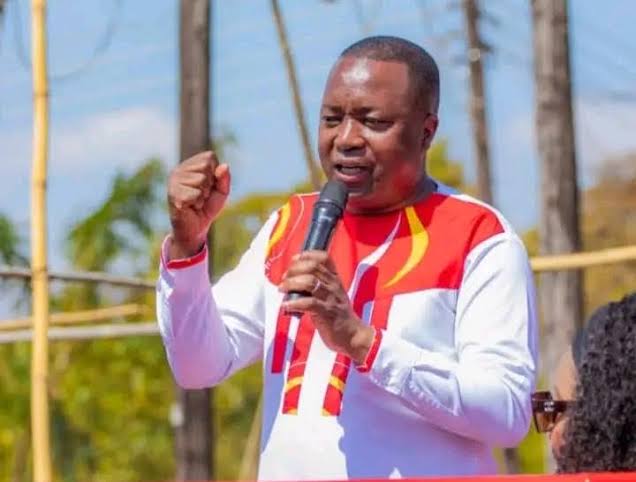
By Suleman Chitera
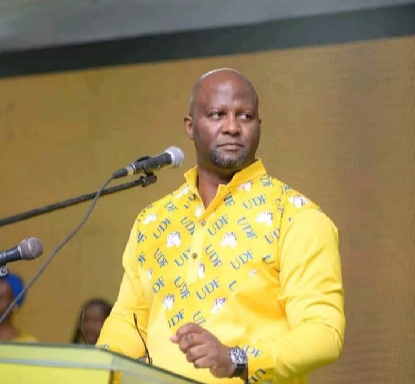
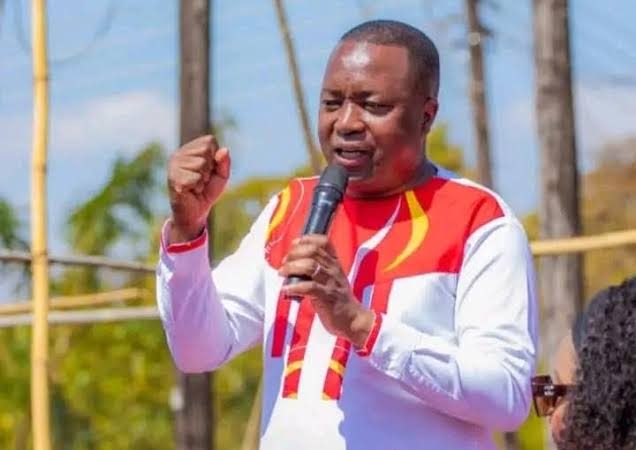
UTM Party President Dalitso Kabambe has urged Malawians, particularly the youth, to take elections seriously by considering how their voting decisions could shape their economic future.
Kabambe says young people seeking employment should pay close attention to the leadership and policies of candidates before deciding who to vote for, arguing that elections have a direct bearing on their future opportunities.
Speaking in an interview with Zodiak Broadcasting Station (ZBS) on Sunday, Kabambe expressed concern that during the last general election, most presidential aspirants did not participate in the presidential debate, yet Malawians proceeded to vote for candidates without adequately scrutinising their plans for the country.
“The situation highlights the need for voters to demand clear policy proposals from political leaders and assess how these would address the challenges facing the country.” He said.
According the UTM leader, the citizens should recognise that their votes go beyond choosing political leaders, as electoral decisions can influence economic management, employment opportunities and the provision of essential services.
He has linked the importance of informed voting to Malawi’s prevailing socio-economic challenges, including fuel shortages, hunger and foreign exchange scarcity, which continue to affect businesses and households.
Kabambe says young people, in particular, should understand the connection between political leadership and their aspirations, including access to jobs and improved living standards.
The remarks come amid continuing public debate over the country’s economic difficulties and the extent to which political parties should be held accountable for their campaign promises and development plans.
Must read Kabambe calls for independent enquiry into Chilima’s death
The argument by Kabambe, an economist by profession places emphasis on greater scrutiny of political candidates, urging voters to look beyond campaign promises and consider the policies and plans leaders present to address Malawi’s development challenges.