

 Suleman Chitera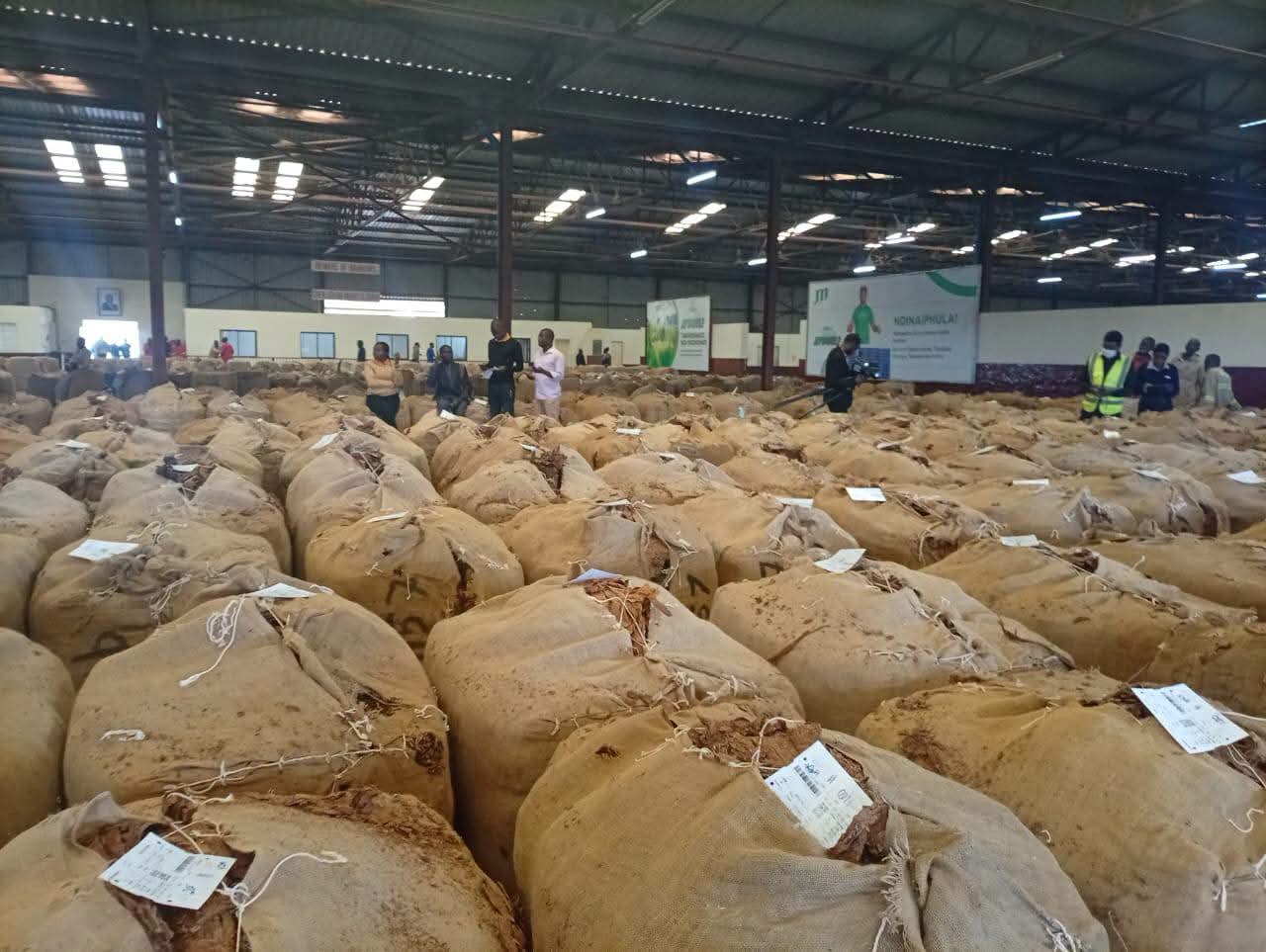
By Suleman Chitera
KASUNGU — Fears that Malawi could face a tobacco oversupply during the 2026 marketing season have eased after the Tobacco Commission revised its production forecast downward to about 154.7 million kilogrammes, below the country’s projected trade demand of 170 million kilogrammes.
The latest figures represent a significant change from earlier projections, which estimated national tobacco production at 196.6 million kilogrammes.
According to the Tobacco Commission, the third round of the tobacco crop estimates survey has effectively eliminated concerns that farmers could be left with large quantities of unsold tobacco because of production exceeding market demand.
The survey, conducted between June 22 and 26, 2026, projects national tobacco production at 154.7 million kilogrammes, representing a 21.3 percent decline from the second-round estimate.
Tobacco Commission spokesperson Telephorus Chigwenembe disclosed the figures during a media briefing held at Chinkhoma Floors in Kasungu on Friday, saying the revised production outlook means the country is unlikely to experience the oversupply previously anticipated.
The decline in production has been attributed to several factors affecting tobacco farmers across the country.
Among the major challenges were bushy top disease, which affected tobacco plants in some fields, leaching caused by persistent rainfall in certain areas and post-harvest losses, particularly in the Northern Region.
Malawi Tobacco Production Falls Below Trade Demand
The latest tobacco production estimate is significant because it is now below the 170 million kilogrammes trade demand projected for the 2026 marketing season.
This means that, based on the revised estimates, Malawi is unlikely to produce enough tobacco to create the excess supply feared earlier in the season.
While lower production could protect farmers from the prospect of unsold tobacco, it also presents a major challenge for the country’s tobacco earnings.
Chigwenembe said the reduction in production means Malawi’s tobacco revenue is expected to fall below earlier expectations, despite relatively stable operations on the tobacco market.
“The market has been open for 17 weeks and, as of August 13, had recorded sales of 135.3 million kilogrammes valued at USD269.8 million at an average price of two dollars per kilogramme,” he said.
The performance is considerably lower than what was recorded during the same period in 2025.
During the comparable period last year, Malawi had sold 182 million kilogrammes of tobacco worth USD464.9 million, at an average price of USD2.55 per kilogramme.
The figures point to a substantial decline in both tobacco volumes sold and total foreign exchange earnings compared with last year’s performance.
Tobacco Farmers Face Lower Earnings Despite Stable Market
Despite the lower production outlook, the Tobacco Commission says the 2026 tobacco marketing season has generally remained stable.
One of the notable improvements has been in the payment of tobacco growers.
Chigwenembe said delays experienced at the beginning of the season have significantly improved following engagements between the Tobacco Commission, tobacco buying companies, AHL Tobacco Sales and commercial banks.
The interventions have enabled farmers to receive payments within the timelines stipulated under the Tobacco Industry Act of 2024.
The improvement is important for tobacco farmers, many of whom depend on tobacco sales to recover production costs, repay agricultural loans and finance preparations for the next farming season.
Lilongwe Leads Tobacco Sales
The distribution of tobacco sales across the country’s auction floors has also shown significant differences.
Lilongwe tobacco market handled the largest share of tobacco during the season, accounting for 40.5 percent of total volumes.
It was followed by Mzuzu with 27.1 percent and Chinkhoma with 23.3 percent.
Although Limbe handled the smallest volume among the major floors, it recorded the highest average price.
The Tobacco Commission attributed Limbe’s strong prices to the concentration of high-quality flue-cured Virginia tobacco, which continues to attract better prices on the market.
What the 2026 Tobacco Figures Mean for Malawi
The revised tobacco production forecast presents a mixed picture for Malawi’s agricultural sector.
On one hand, the reduction in production has eased fears of a tobacco glut that could have left farmers with unsold leaf. On the other hand, lower production means fewer tobacco exports and potentially reduced foreign exchange earnings for the country.
Tobacco remains one of Malawi’s most important export commodities and a major source of foreign currency.
The latest figures therefore underline the importance of improving tobacco productivity, strengthening disease control and reducing post-harvest losses.
The impact of climate-related challenges, including excessive rainfall and leaching, also highlights the growing risks facing tobacco production.
For farmers, however, the immediate concern is the market’s ability to absorb the remaining crop while ensuring that growers receive timely and competitive payments.
With 135.3 million kilogrammes already sold by August 13, the country is moving closer to the revised production ceiling of 154.7 million kilogrammes.
The Tobacco Commission says the stable market environment and improved payment systems remain positive developments for growers, even as Malawi prepares for lower tobacco production and earnings than initially projected.
The latest tobacco figures therefore suggest that Malawi’s 2026 tobacco season is shifting from concerns over oversupply to concerns over declining production, export volumes and foreign exchange emalawiarnings.