
 Malawi Freedom Network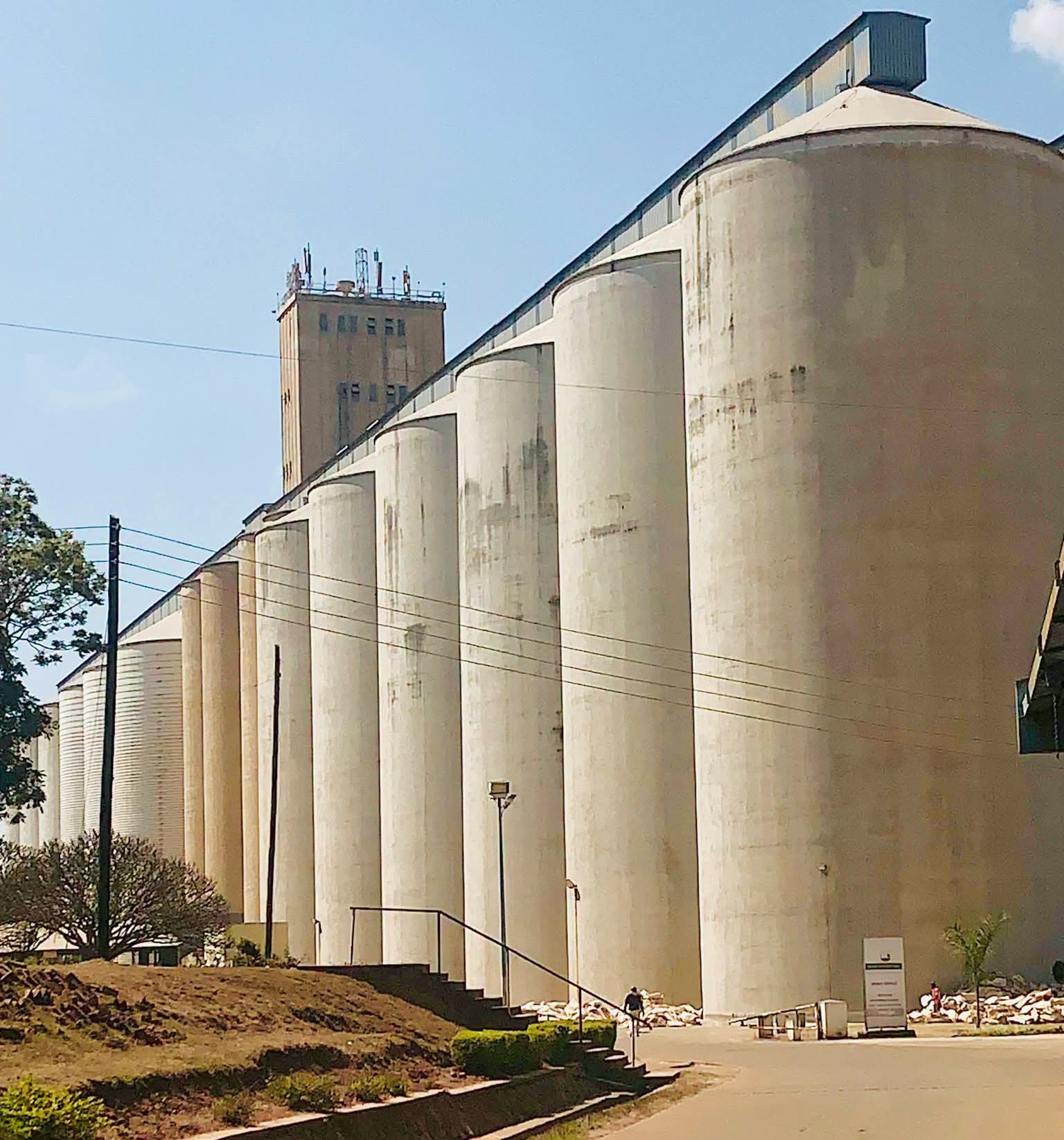
By Malawi Freedom Network
The National Food Reserve Agency (NFRA) has secured 22,570 metric tonnes of maize as Malawi accelerates preparations touch protect vulnerable communities from possible food shortages linked to anticipated El Niño conditions during the 2026/27 agricultural season.
The maize procurement drive comes after Government allocated K100 billion to NFRA to build up strategic grain reserves and ensure adequate supplies are available in areas that could face food insecurity if rainfall performs below expectations.
NFRA Chief Executive Officer Bruce Munthali told the Malawi News Agency that the agency was moving quickly to procure and distribute maize to its depots across the country, with funds being released in phases.
According to Munthali, the first K20 billion tranche has already been exhausted, while NFRA is expecting another K20 billion to continue the procurement exercise.
“We expect to get another K20 billion in our system to enable purchases anytime soon,” Munthali said.
Kanengo Holds Largest Share of Maize
As of August 8, 2026, NFRA had secured 22,570 metric tonnes, with the largest volume already delivered to its Kanengo depot in Lilongwe.
The distribution of the maize was as follows:
- Kanengo: 17,688 metric tonnes
- Kazumba, Mzimba: 2,648 metric tonnes
- Mzuzu: 1,613 metric tonnes
- Karonga: 450 metric tonnes
- Mangochi: 171 metric tonnes
The figures show that the bulk of the maize currently secured is concentrated in the Central and Northern regions, while some depots in the Southern Region are still waiting for substantial supplies.
Munthali said NFRA was working with the Ministry of Agriculture and development partners to pre-position maize in areas considered vulnerable to food shortages, particularly in the Southern Region.
The strategy is aimed at ensuring that food stocks are closer to communities that may require assistance before the rainy season makes transportation more difficult.
NFRA Opens Door to Private Maize Suppliers
Despite progress in procurement, Munthali acknowledged that some NFRA depots, especially in the South, had not yet received adequate maize stocks.
To close the gap, the agency is prepared to purchase maize directly from the open market.
“We are very open even to open markets. The depots, like in the South, anybody can bring maize. We told our depot managers to open up for it,” he said.
This approach could give NFRA access to maize from farmers, traders and other suppliers in areas where conventional procurement arrangements have not generated sufficient quantities.
The agency is also considering mobile markets if existing procurement channels fail to deliver the quantities required.
“If we see that the sources that we have put in place are not yielding the desired results, we will go into open markets and also mobile markets,” Munthali said.
Why Timing Matters
NFRA’s preparations are not only about securing maize but also about moving it before the rains begin.
Munthali appealed to suppliers to accelerate deliveries so that NFRA can transport and pre-position maize in vulnerable areas while roads and transport routes remain relatively accessible.
He warned that delays could become costly once the rainy season starts, particularly because heavy rains can disrupt transportation and potentially affect the condition of stored grain.
“Movement of maize has to be done in the dry season,” Munthali said.
The warning highlights one of the major logistical challenges facing Malawi as it prepares for a potentially difficult agricultural season: securing food stocks is only one part of the response, while getting those stocks to strategic locations before weather-related disruptions is equally important.
El Niño Raises Food Security Concerns
The procurement drive follows an earlier warning from the Department of Climate Change and Meteorological Services about the possibility of a strong El Niño affecting Malawi during the 2026/27 agricultural season.
The department warned that parts of the country could experience below-normal rainfall, raising concerns over agricultural production.
For a country where millions of households depend heavily on rain-fed agriculture, poor rainfall can have consequences extending beyond crop yields.
Reduced production can put pressure on household food supplies, increase demand for relief assistance and contribute to higher food prices if market supplies become constrained.
The risks are particularly serious for communities that enter the lean season with limited food stocks or limited capacity to purchase maize on the market.
Government Moves to Build a Buffer
The K100 billion allocation to NFRA represents a major component of Government’s strategy to strengthen the country’s maize reserves ahead of the potentially challenging season.
The objective is to create a sufficient food buffer that can be deployed when and where shortages emerge.
However, the effectiveness of the programme will depend on several factors, including the quantity of maize eventually purchased, the speed of deliveries, storage capacity, transportation logistics and the ability to position stocks in high-risk areas before the onset of heavy rains.
NFRA’s willingness to use open and mobile markets could also become increasingly important if maize availability varies significantly between regions.
Southern Region Remains a Key Focus
The Southern Region is receiving particular attention because NFRA says some of its depots are yet to receive adequate supplies.
Pre-positioning maize in vulnerable districts could help reduce the pressure on Government and humanitarian agencies later in the season if food shortages intensify.
The approach also seeks to avoid a situation where maize has been purchased but cannot be moved efficiently to communities that need it because of poor road conditions or other logistical constraints.
With the 2026/27 agricultural season approaching, the race is therefore not simply to buy maize, but to ensure that enough maize is available, stored and strategically positioned before the rains.
What Happens Next?
NFRA expects to continue increasing its maize stocks as additional funding becomes available.
The agency’s immediate priorities are to access the next K20 billion tranche, accelerate procurement, encourage suppliers to deliver maize and expand purchases through open markets where necessary.
If the anticipated El Niño conditions materialise and rainfall remains below normal in affected parts of Malawi, the maize secured now could become an important buffer against worsening food insecurity.
But if procurement or transportation is delayed, the agency could face greater logistical pressure once the rainy season begins.
For now, the 22,570 metric tonnes secured by August 8 mark an important step in Malawi’s preparations, but the scale of the Government’s K100 billion programme means significantly more maize will need to be secured and strategically positioned in the coming months.
The central question now is whether NFRA can move quickly enough to get the maize where it is needed before the rains arrive.