 Malawi Freedom Network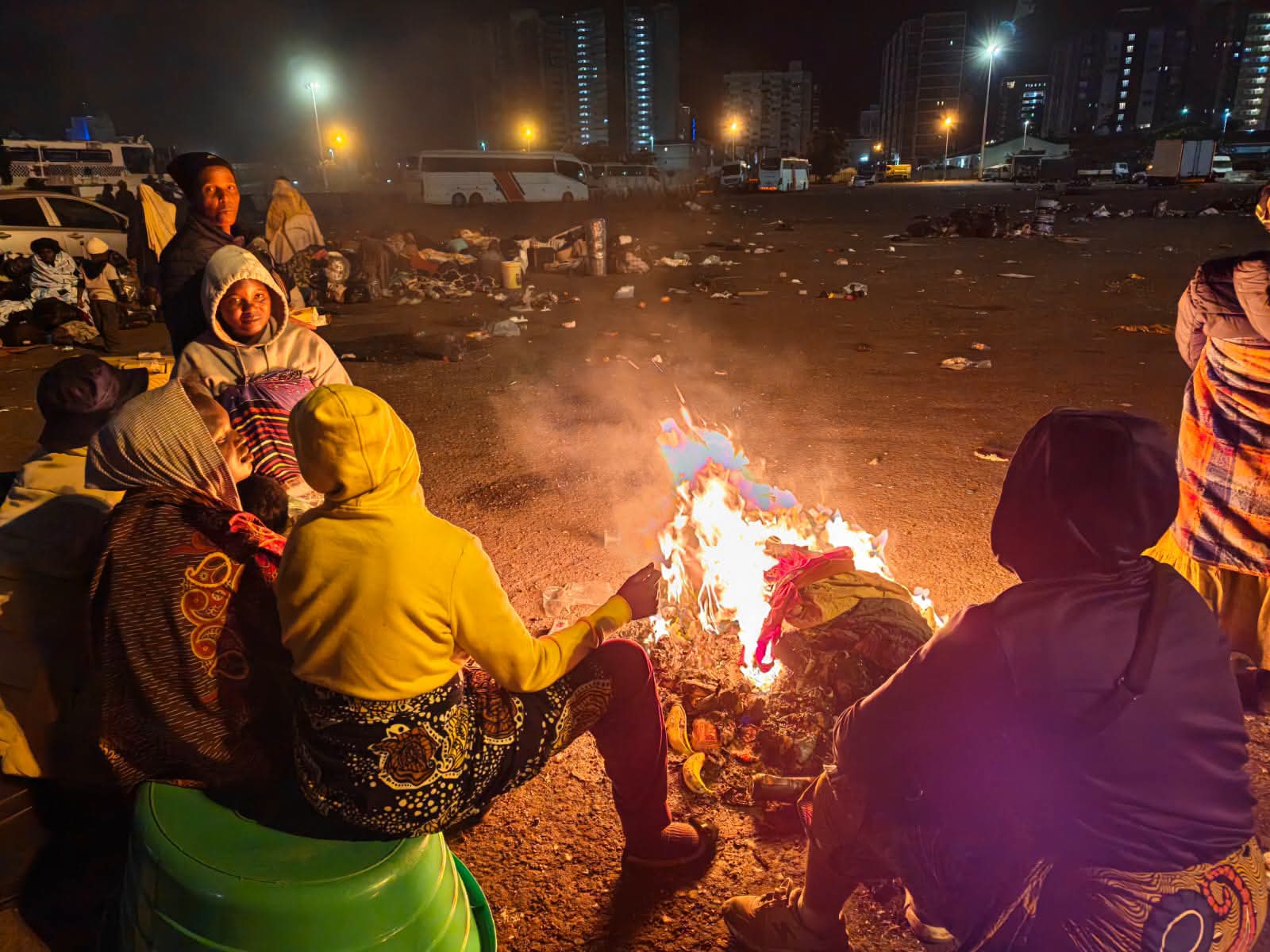
By Our Reporter
Malawians stranded in South Africa are facing worsening humanitarian conditions, with some forced to burn their own clothes to keep warm as they wait for buses that will transport them back home following recent xenophobic violence.
The displaced citizens, many of whom fled their homes after attacks and threats in parts of Durban and surrounding areas, have been spending nights in temporary shelters and open spaces with little protection from the cold winter weather.South Africa Deports 490 Malawians for Immigration Violations
Eyewitnesses say the situation has become increasingly desperate as temperatures continue to drop. Without adequate blankets, warm clothing or heating, some stranded Malawians have resorted to burning old clothes and other personal belongings simply to generate enough warmth to survive the freezing nights.
The heartbreaking scenes highlight the difficult conditions thousands of migrants continue to endure as humanitarian organizations work around the clock to facilitate their safe return to Malawi.Malawi Government Intensifies Repatriation of Citizens Amid Xenophobic Attacks in South Africa
The ongoing repatriation exercise is being coordinated by humanitarian organization Gift of the Givers in collaboration with officials from the Malawi High Commission in South Africa. Before departure, returnees undergo documentation and verification to ensure they are safely transported across the border.
Earlier this week, several buses carrying Malawian nationals departed from Durban, while more buses are expected to continue evacuating those still waiting to return home.
However, many people remain stranded as they await transport. The prolonged waiting period, coupled with limited food supplies, inadequate shelter and harsh winter temperatures, has left many families exhausted and vulnerable.
Among those affected are women, young children and elderly people who have endured days without proper accommodation. Community volunteers and humanitarian workers have been providing food, drinking water and medical assistance where possible, but resources remain stretched as more displaced people seek help.
Some returnees described the emotional toll of abandoning their homes, jobs and personal belongings in order to escape violence. Many said they left with only the clothes they were wearing and now have little left after using some garments as fuel to keep warm.
Humanitarian workers say the immediate priority is ensuring everyone receives safe transportation back to Malawi while also addressing urgent humanitarian needs, including food, blankets and medical care.
The recent xenophobic attacks have once again raised concerns about the safety of foreign nationals living and working in South Africa. Similar outbreaks of violence over the years have displaced thousands of migrants from several African countries, forcing many to seek emergency assistance and voluntary repatriation.Five Buses Carrying Repatriated Malawians Arrive in Blantyre from South Africa
The Malawi government, through its diplomatic mission in South Africa, continues to work closely with humanitarian partners to support affected citizens. Officials have encouraged all Malawians caught up in the violence to register with the High Commission so they can be included in the repatriation programme.
Authorities have also appealed for patience as logistical arrangements continue, assuring those still waiting that efforts are underway to transport everyone safely back home.
For many stranded families, the wait has been long and painful. With freezing temperatures adding to their suffering, the image of people burning their own clothes for warmth has become a powerful reminder of the harsh realities facing displaced migrants.
As buses continue arriving to collect returnees, there is hope that those still stranded will soon begin the journey back to Malawi, where they can reunite with their families and begin rebuilding their lives after the traumatic experience.
The humanitarian response remains critical in the coming days, as aid agencies and government officials race against time to evacuate those still exposed to dangerous conditions. Until then, many Malawians continue to endure cold nights, uncertainty and hardship while waiting for the next available bus that will finally take them home.
Read also: Chakwera Bans Importation Of MDA’s Uniforms
Read also: Teachers transfers affects DAPP TRIO project in Dowa