
 Suleman Chitera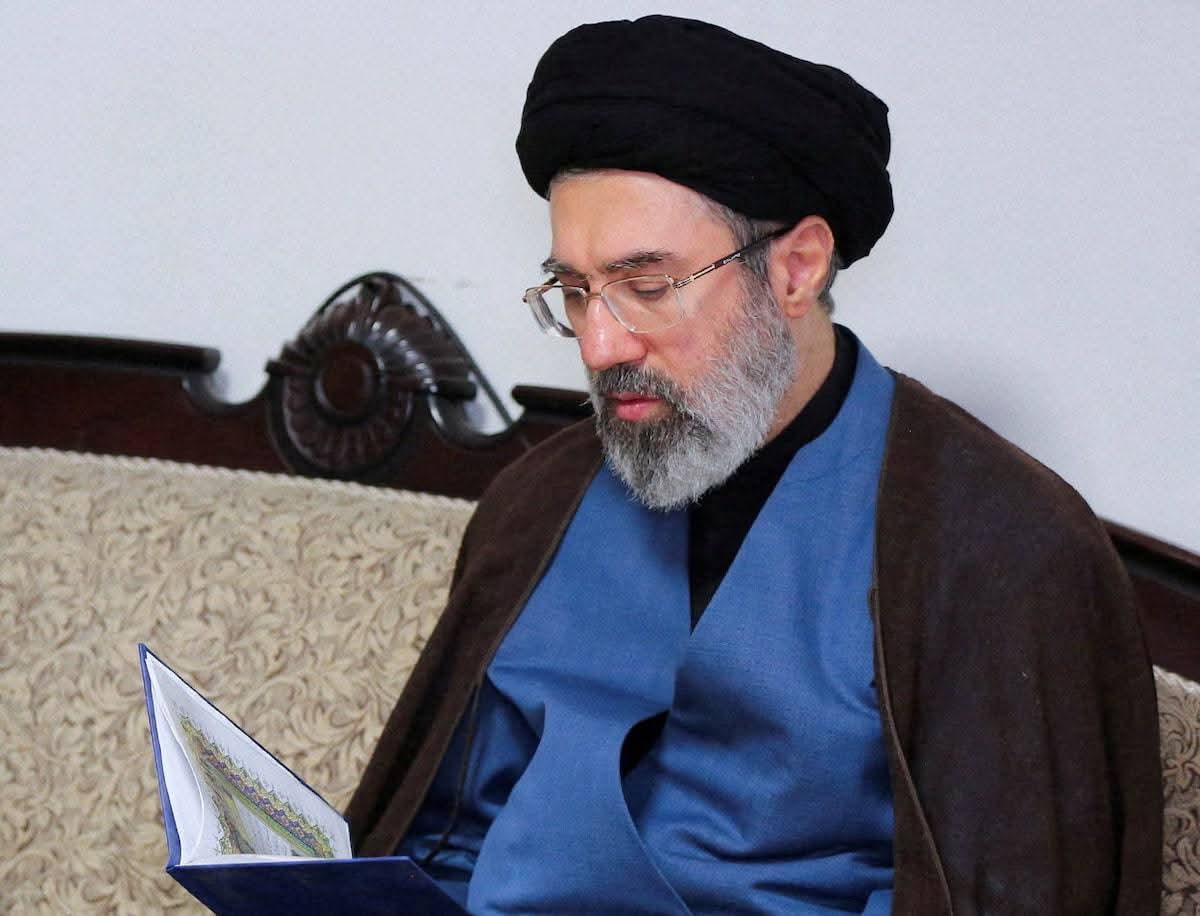
By Suleman Chitera
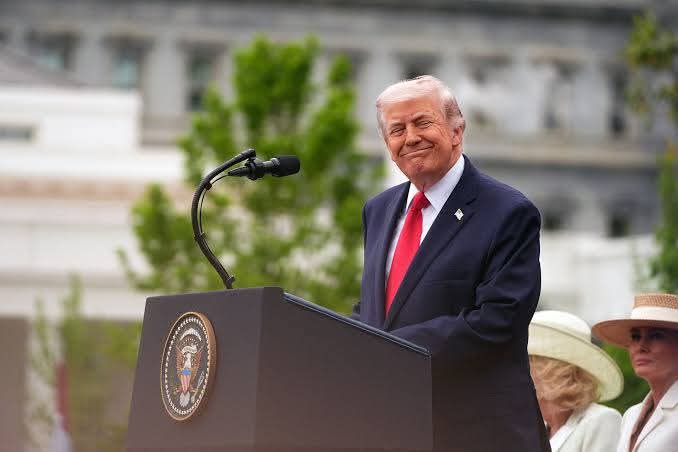
The ongoing diplomatic efforts between the United States and Iran have reached a critical impasse, with negotiations showing little progress as both sides remain sharply divided over key strategic, economic, and military issues. What was once seen as a possible breakthrough toward easing long-standing hostilities is now sliding into renewed uncertainty, raising fears of heightened regional instability.
Iran still armed And dangerous
At the heart of the deadlock is Iran’s nuclear program. The United States continues to demand a complete halt to Iran’s uranium enrichment activities, arguing that any continuation poses a direct threat to global security. However, Iran has firmly rejected this position, insisting that its nuclear activities are peaceful and should only be temporarily suspended under any agreement, with full rights to resume operations later.
Closely linked to this dispute is the issue of Iran’s uranium stockpile. Washington has reportedly pushed for Iran to retain no more than 400 kilograms of enriched uranium under strict monitoring. Tehran has dismissed the proposal, viewing it as an unacceptable limitation on its sovereign nuclear capabilities
Spain Slams Israel over ceasefire breach, blocks war flights
Tensions have also escalated over the strategic Strait of Hormuz, one of the world’s most critical oil transit routes. Iran has warned that it may restrict maritime movement through the waterway unless US sanctions on its ports are lifted. In response, the US has maintained a firm stance, insisting that sanctions will remain in place until a comprehensive agreement is reached.
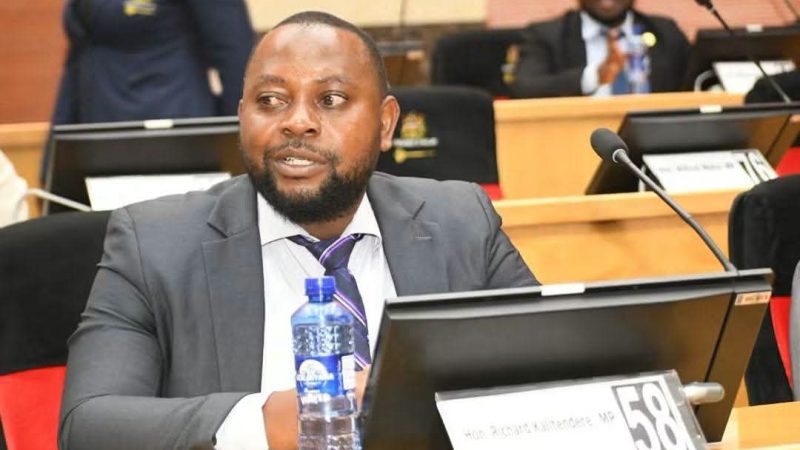
Police turn looters: Officers Arrested for Stealing Confiscated Fuel in Mangochi Scandal
Economic pressure remains another major sticking point. Iran is demanding the unfreezing of approximately $20 billion in assets as part of any deal, alongside broader sanctions relief. The US, however, has shown reluctance to release frozen funds without significant concessions from Tehran.
Adding further complexity, Iran is now seeking compensation estimated at around $270 billion, claiming damages resulting from past US and Israeli military actions. This demand has been met with strong resistance from Washington, which views it as politically and legally unfeasible.
“Where Did Our Fuel Go? Malawi Questions Missing 27.7 Million Litres from DRC Delivery ”
Beyond nuclear and economic issues, regional influence remains a deeply contentious matter. The United States is pressing Iran to reduce its support for allied groups such as Hezbollah in Lebanon and Hamas in Gaza, as well as to scale back its ballistic missile programme. Tehran has consistently rejected external interference in what it considers its regional alliances and defence strategy.
With neither side willing to soften its core demands, the negotiations appear increasingly fragile. Analysts warn that continued stalemate could further destabilise an already volatile Middle East, with global economic and security implications.
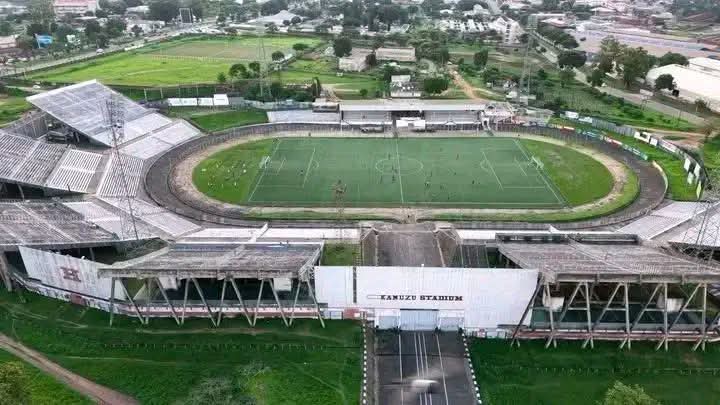
Kamuzu Stadium Gate Cashiers to appears in Court
As diplomatic channels remain open, the gap between Washington and Tehran continues to widen—casting doubt on whether a viable agreement can be reached anytime soon.